Introduction
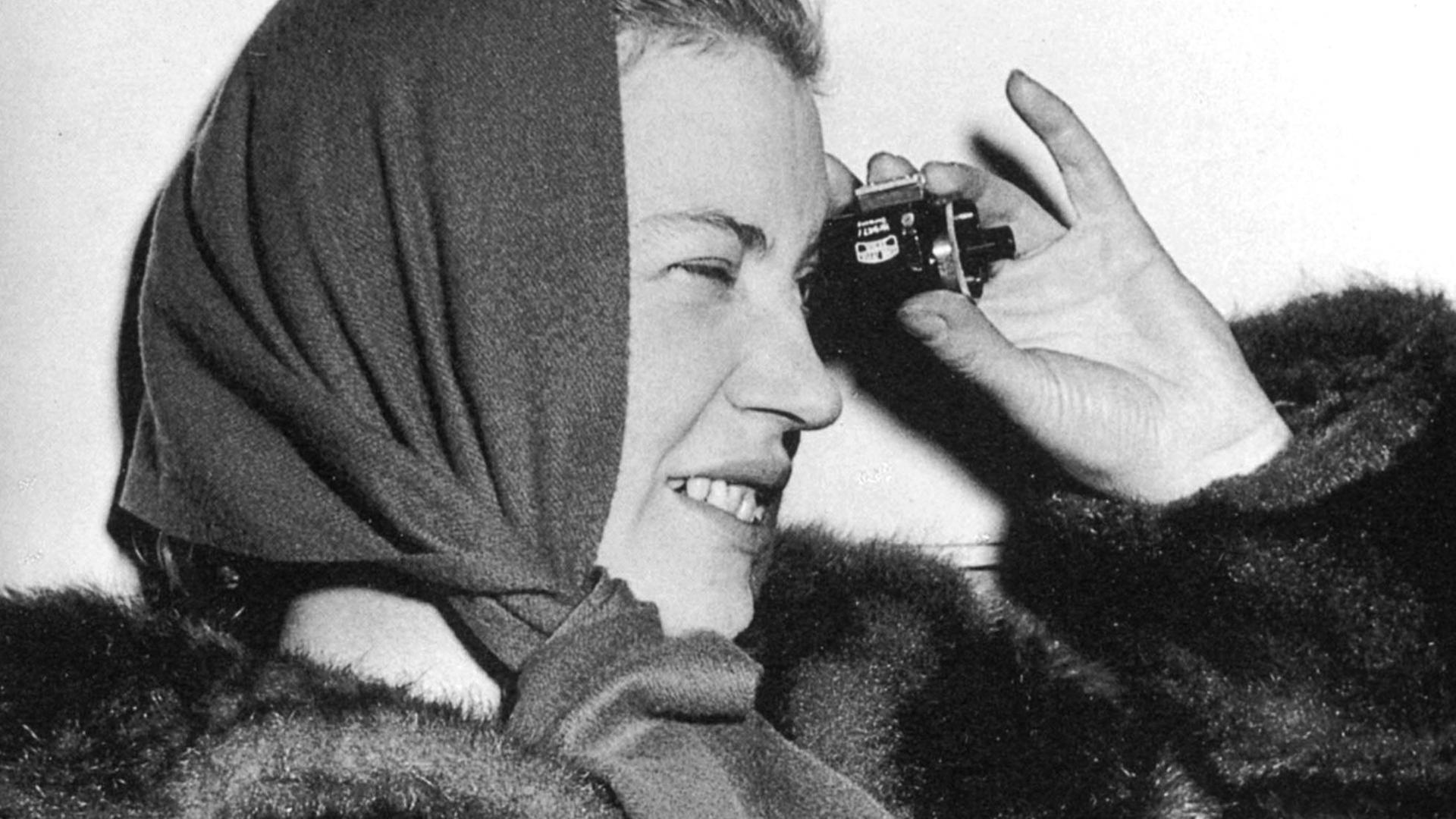
Lee Miller (1907-1977) was an influential figure in the early 20th century, not just as a pioneering photographer but also as a war correspondent who chronicled the tumultuous events of World War II. Her work transcended mere documentation, challenging societal norms and the roles of women in both the arts and the battlefield.
Early Life and Career
Born in Poughkeepsie, New York, Miller began her career in the fashion industry as a model before transitioning to photography. In the 1920s, she moved to Paris, where she became involved with the Surrealist movement, impressing figures such as Pablo Picasso and Man Ray. Her unique perspective and photographic style garnered attention, leading to her collaborations with major publications like Vogue.
War Correspondence and Photographic Work
With the onset of World War II, Miller shifted her focus to photojournalism, becoming a war correspondent for Vogue. Her experiences on the front lines were harrowing yet profoundly impactful. In 1945, she was among the first journalists to enter Hitler’s apartment in Munich following the fall of Nazi Germany, capturing haunting images that documented the aftermath of war. Her photography illustrated the human cost of conflict and provided an intimate glimpse into the lives affected by the war.
Miller’s approach was notable for its blend of artistic merit and raw truth, a balance that many photographers struggle to achieve. She often focused on women and their experiences during wartime, revealing their resilience in a male-dominated society.
Significance and Legacy
Lee Miller’s contributions to photography and journalism are both significant and enduring. By boldly stepping into roles traditionally occupied by men, she challenged gender norms and became a symbol of female empowerment in the arts. Her work has gained renewed appreciation in recent years, with exhibitions highlighting her unique vision and courage.
Miller’s archives, housed at the Lee Miller Archive, remain a vital resource for historians and art enthusiasts alike, offering insight into not only her life but also the broader context of 20th-century history. Scholars continue to explore her impact on photography and feminist discourse in art.
Conclusion
Lee Miller’s legacy as a photographer and war correspondent endures through her remarkable body of work that defies categorisation. As society reflects on the roles women have played in history, Miller stands out as a trailblazer whose photographs narrate profound truths about war, art, and humanity. Her work continues to inspire generations, serving as a reminder of the power of art to illuminate and transform.