Introduction
On September 11, 2001, the world witnessed a series of coordinated terrorist attacks orchestrated by the extremist group Al-Qaeda against the United States. The day is commonly referred to as 9/11 and has since become a significant touchstone in both American history and global politics. The events of that day not only led to immense human loss but also reshaped international security policies, public perceptions of terrorism, and the United States’ foreign and domestic agenda.
The Attacks: A Detailed Overview
The attacks began at 8:46 AM when American Airlines Flight 11 crashed into the North Tower of the World Trade Center in New York City. Just 17 minutes later, United Airlines Flight 175 struck the South Tower. At 9:37 AM, American Airlines Flight 77 hit the Pentagon, the United States Department of Defense’s headquarters, located in Arlington, Virginia. The final assault led to United Airlines Flight 93 crashing into a field in Pennsylvania after passengers attempted to regain control from the hijackers.
By the end of the day, nearly 3,000 people had lost their lives, with thousands more injured. The devastation was not limited to physical destruction; the attacks left families shattered and communities grieving. The image of the Twin Towers collapsing has been forever etched in our collective memory.
The Aftermath and Global Repercussions
In response to 9/11, the U.S. launched the War on Terror, which included military campaigns in Afghanistan to dismantle Al-Qaeda and remove the Taliban from power. The attacks also prompted sweeping changes in national security measures, exemplified by the establishment of the Department of Homeland Security and the implementation of the USA PATRIOT Act.
Moreover, the global fight against terrorism gained momentum, leading to increased collaboration between international intelligence agencies and a reevaluation of global security strategies. However, it also sparked controversies surrounding civil liberties, as enhanced security measures and surveillance tactics raised concerns over privacy and individual rights.
A Lasting Legacy
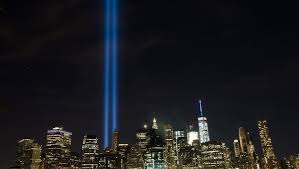
The legacy of 9/11 can still be felt today, influencing not just U.S. domestic policy but also shaping international relations. As the world commemorates this tragic event, it’s vital to reflect on its profound implications for security, civil rights, and global cooperation in combating terrorism.
Conclusion
As we approach the 22nd anniversary of 9/11, it remains essential to remember the impact of that day on countless lives and the world at large. The lessons learned continue to inform contemporary discussions on security and human rights as societies strive to balance safety with freedom. Understanding the events of 9/11 and their repercussions serves as a reminder of the importance of unity against violence and the pursuit of peace in a complex world.