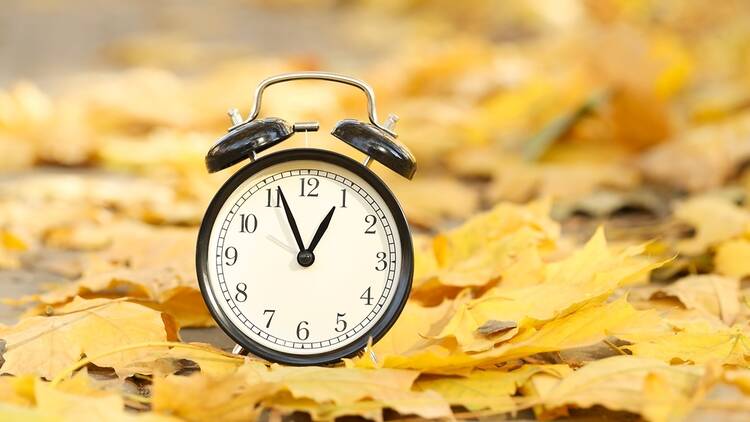
Understanding British Summer Time
British Summer Time (BST) is a practice adopted in the UK that involves adjusting the clocks forward by one hour during the warmer months, allowing for more daylight in the evenings. Typically, the change to BST occurs on the last Sunday in March, while the clocks revert to Greenwich Mean Time (GMT) on the last Sunday in October.
End of British Summer Time 2025
In 2025, British Summer Time will officially end on Sunday, 26th October. At 2:00 AM, clocks will revert back by an hour, transitioning to 1:00 AM. This change signals the end of longer daylight hours that many residents look forward to during the spring and summer months. The transition back to GMT reflects historical efforts to make better use of natural daylight and conserve energy.
Importance of the Clock Change
The end of British Summer Time is significant as it affects various aspects of daily life in the UK. Many people express mixed feelings about the clock change; while some are glad for an extra hour of sleep, others feel it signifies the end of summer and the onset of shorter and darker days. This time change also impacts transportation schedules, business operations, and even leisure activities.
Implications for Daily Life
In preparation for the end of British Summer Time, many individuals adjust their routines. For example, evening outings may occur earlier, affecting social dining and entertainment activities. Additionally, businesses that rely on natural light, such as outdoor markets and recreation facilities, must adapt their opening hours accordingly. Furthermore, the shift can influence mood and productivity levels among the population; studies suggest that the lack of daylight may lead to a phenomenon known as ‘seasonal affective disorder’ (SAD).
Forecasting the Future of Time Changes
While transitioning to and from British Summer Time is deeply embedded in UK culture, discussions regarding the future of such clock changes have been ongoing. Some regions in Europe have already moved forward with proposals to abolish seasonal time changes altogether. As public opinion evolves and considerations around energy consumption and lifestyle adjustments come into play, future policy changes regarding British Summer Time may call for public engagement and governmental consideration.
Conclusion
The end of British Summer Time in 2025 on 26th October will once again prompt the UK to embrace the changes that come with shorter days and longer nights. As the government and communities reflect on the implications of this change, it remains crucial for residents to stay informed and prepare for the impact it has on daily living. Whether embraced or lamented, the rhythm of time keeps moving forward.




