The Significance of Daylight Saving Time
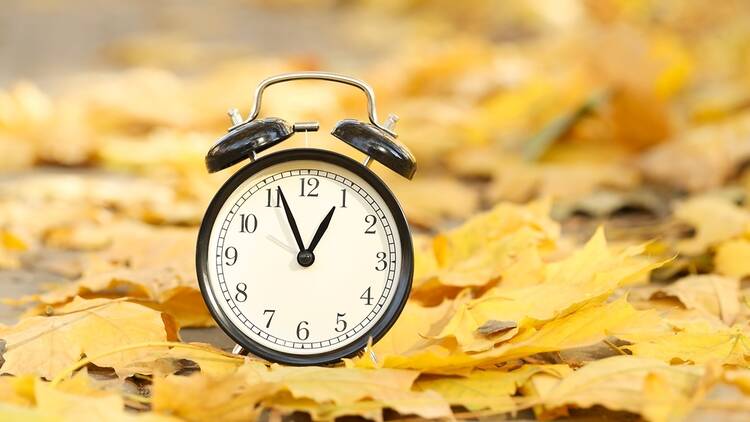
As the seasons change and autumn approaches, one of the most anticipated changes is the annual adjustment of clocks that occurs in many countries. This event, often referred to as ‘clocks going back,’ signals the end of Daylight Saving Time (DST) in the UK and marks a transition to Standard Time.
When Do Clocks Go Back?
In the UK, clocks go back one hour at 2:00 AM on the last Sunday in October. In 2023, this means that British citizens will set their clocks back one hour on the 29th of October, regaining the hour they lost in March. The time adjustment is a practice aimed at making better use of daylight, which many people find beneficial during the shorter days of winter.
Historical Context and Purpose
The concept of Daylight Saving Time was first proposed by Benjamin Franklin in 1784, though it was widely adopted during World War I and II as a means of conserving energy. Today, the primary purpose of DST is to make better use of daylight during the longer days of summer, thus potentially reducing the need for artificial lighting in the evenings.
Impact on Daily Life
As the clocks go back, many individuals report feeling a greater sense of well-being due to the return of lighter mornings. However, the adjustment also comes with challenges, such as disrupted sleep patterns and reduced daylight during the late afternoon and evening. For some, this can lead to what is often referred to as ‘seasonal affective disorder’ (SAD), a type of depression that occurs at certain times of the year, particularly in the winter months.
Current Trends and Future Implications
Debate over the effectiveness of DST continues, with some advocating for the abolition of the practice altogether due to its minimal energy-saving effects. Research studies over the years have provided mixed results regarding the overall benefits of DST. As the world moves toward sustainability and energy efficiency, discussions on whether to maintain the tradition of changing the clocks or to remain in an unchanging standard time will likely intensify.
Conclusion
The adjustment of clocks going back serves as a reminder of the cyclical nature of our seasons and routines. For many, it signifies a time to adjust and prepare for the upcoming winter months. Understanding the implications of this change on our daily lives, as well as the ongoing debate surrounding Daylight Saving Time, allows readers to engage more thoughtfully in discussions about time management, health, and energy efficiency. As the conversation evolves, the way we manage and adapt to these time changes will remain a topic of interest for years to come.