Introduction
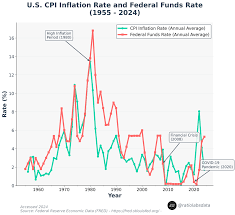
The Consumer Price Index (CPI) inflation rate is a critical economic indicator that measures the average change over time in the prices paid by consumer for goods and services. Understanding CPI inflation is vital for governments, businesses, and consumers as it impacts monetary policy, purchasing power, and overall economic stability. In recent years, fluctuations in the CPI inflation rate have raised concerns among economists and the general public alike, especially in light of the ongoing effects of the COVID-19 pandemic and global economic shifts.
Current Trends and Statistics
As of October 2023, the CPI inflation rate in the UK stands at 6.5%, a slight decrease from previous months where it hovered around 7.2%. According to the Office for National Statistics (ONS), this decline reflects a reduction in energy prices and a stabilising supply chain, although food prices continue to remain elevated. For instance, the annual food inflation rate reached 13.1%, the highest in recent decades, contributing significantly to the overall CPI figure.
The Bank of England has been adjusting interest rates in response to these inflationary pressures, raising the bank rate to 5.25% in an attempt to manage inflation and stabilise the economy. Analysts suggest that this strategy may help temper consumer spending but warn that a further increase in energy prices or supply chain disruptions could reverse any positive outcome.
Implications for Consumers and Businesses
Understanding the CPI inflation rate is crucial for consumers, affecting everything from grocery bills to mortgage rates. As prices continue to fluctuate, consumers may find it increasingly challenging to manage budgets and savings. Additionally, businesses must adapt to changing costs; many have already passed on some of these increased operational costs to consumers through higher prices.
For many households, the impact of inflation means prioritising essential expenses and reconsidering discretionary spending. This economic climate has also spurred discussions about wages, living standards, and the need for measures like cost-of-living adjustments.
Conclusion
The CPI inflation rate remains a focal point for economic policy and public discourse in the UK. While recent trends indicate some easing, ongoing challenges such as food inflation and potential volatility in global markets could affect future rates. For readers, staying informed about the CPI and its implications will be paramount in navigating this increasingly complex economic landscape. Forecasts suggest that inflation may remain elevated in the near term, making it vital for individuals and businesses to remain vigilant.