Introduction to USS Gerald R Ford
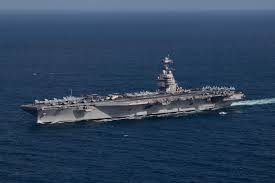
The USS Gerald R Ford (CVN 78) represents the next generation of aircraft carriers for the United States Navy, designed to enhance naval capabilities and redefine power projection in modern warfare. Its advanced technologies and design make it a critical asset in national security strategies, exemplifying the U.S. commitment to maintain a formidable presence on the world stage.
Technological Advancements
Commissioned in July 2017, USS Gerald R Ford is the lead ship of the Ford-class carriers, boasting a suite of revolutionary systems. Among its significant features are the Electromagnetic Aircraft Launch System (EMALS) and Advanced Arresting Gear (AAG), which facilitate more efficient aircraft launches and recoveries compared to traditional systems. These advancements not only increase operational efficiency but also potentially reduce crew workload, allowing for a more streamlined and effective naval operation.
Operational Capabilities
USS Gerald R Ford is designed to support a versatile range of missions, from humanitarian assistance to full-scale warfare. The carrier is capable of carrying around 75 aircraft, including advanced fighter jets such as the F-35C Lightning II, which is integral to modern combat operations. The ability to operate effectively in contested environments further underlines its significance in the future of naval aviation and maritime security.
Recent Deployments and Exercises
In 2023, the USS Gerald R Ford was actively involved in multinational exercises, demonstrating its capabilities alongside allied forces. These exercises aim to enhance interoperability among NATO allies and showcase the carrier’s ability to respond to various threats, emphasizing its strategic value. The carrier’s role in these operations has reaffirmed its position as a cornerstone of U.S. naval power.
Conclusion and Future Implications
As global tensions continue to rise in various sectors, the USS Gerald R Ford stands as a pivotal element in maintaining the United States’ naval dominance. Its technological innovations and operational flexibility position it as an influential player in upcoming conflicts and deterrent measures. Looking ahead, the continued development and deployment of such advanced vessels are crucial for the U.S., as they navigate an increasingly complex international security environment.