Introduction
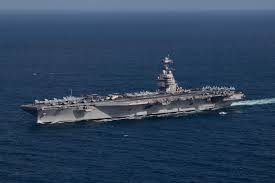
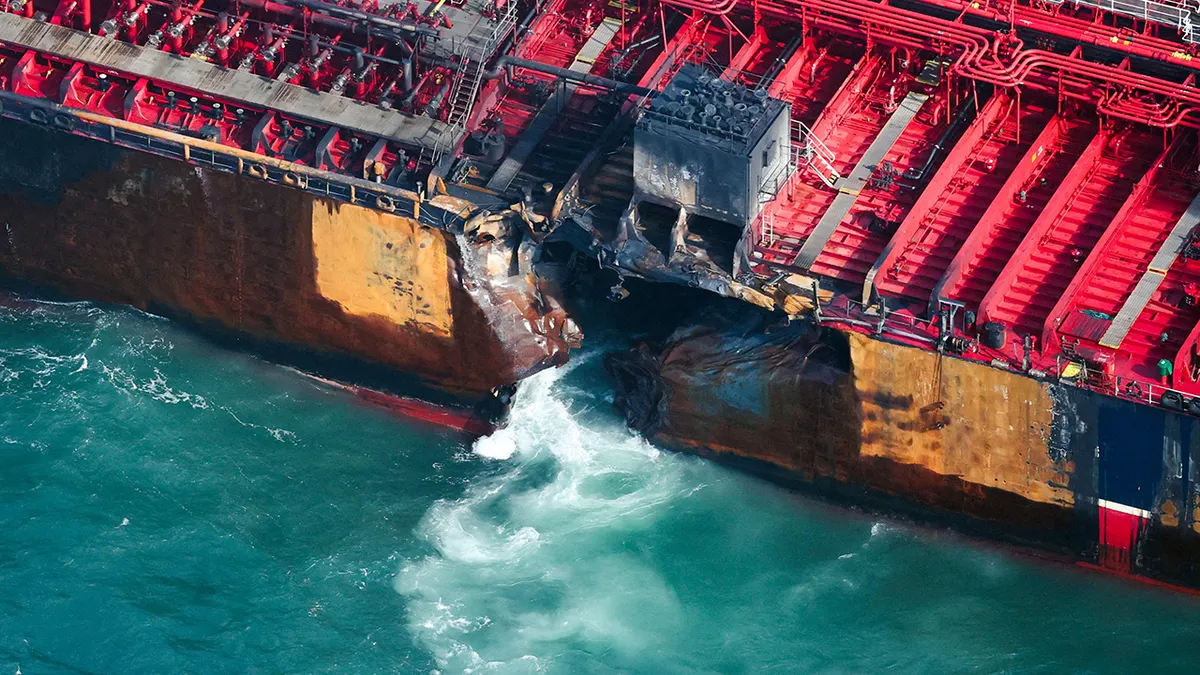
The safety of naval operations has come into sharp focus following a series of recent collisions involving US Navy ships. These incidents not only raise concerns about maritime safety protocols but also have posed significant implications for national security and naval readiness. Understanding the frequency and circumstances surrounding these collisions is crucial for improving operational procedures and ensuring the safety of personnel and vessels at sea.
Recent Incidents
In the past few months, there have been notable incidents involving US Navy vessels colliding with both civilian and military ships. The most recent event occurred in October 2023, when the USS Independence, an amphibious attack ship, collided with a cargo vessel in the busy waters near San Diego. Fortunately, there were no significant injuries reported, but the incident has sparked investigations regarding the effectiveness of navigation and communication systems on board.
Previously, in July 2023, the USS Fitzgerald was involved in a collision that resulted in significant damage to the ship and several casualties. Initial reports indicated that poor visibility and a lapse in standard operational procedures contributed to the mishap. These incidents have prompted the Navy to reassess its training protocols and navigational procedures to prevent future occurrences.
Maritime Safety Enhancements
In response to these incidents, the US Navy has initiated a comprehensive review aimed at enhancing maritime safety. This includes increased training for crew members on situational awareness, navigation, and the effective use of advanced radar systems designed to detect potential collision threats. Moreover, the Navy is looking into the integration of more robust communication systems to facilitate better coordination between vessels operating in congested waters.
Additionally, some experts have called for the implementation of stricter regulations governing naval operations, including mandatory reporting of near-collisions and the establishment of clearer guidelines for manoeuvring in high-traffic areas.
Conclusion
The recent collisions involving US Navy ships serve as a critical reminder of the complexities and dangers associated with maritime operations. As the Navy works tirelessly to improve its readiness and safety measures, the importance of addressing these issues cannot be overstated. The implementation of enhanced training programs and advanced technologies will be crucial in safeguarding not only naval personnel but also civilian maritime traffic. Moving forward, continued vigilance and openness to change will be essential in minimising the risks posed by such incidents.