Introduction
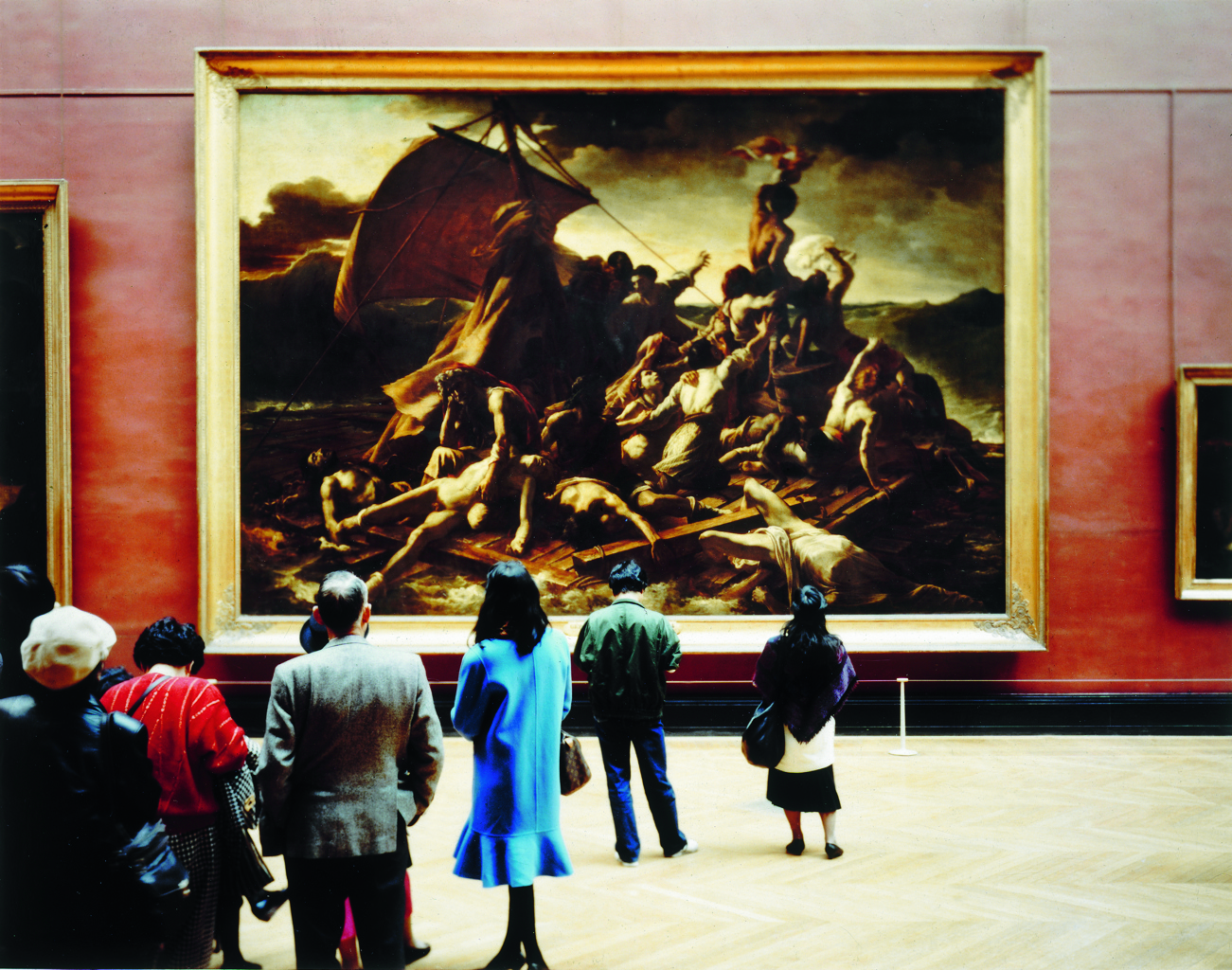
The Louvre, located in Paris, France, stands as the world’s largest art museum and a historic monument, attracting millions of visitors each year. It is not only a symbol of French culture but also a repository of some of the most renowned artworks, including masterpieces by artists like Leonardo da Vinci, Michelangelo, and Rembrandt. The museum’s significance extends beyond its vast collection; it is a key player in the global art scene and plays an important role in cultural preservation.
A Rich History
Originally constructed as a fortress in the late 12th century under King Philip II, the Louvre was transformed into a royal palace before becoming a public museum during the French Revolution in 1793. Since then, it has evolved into a cultural landmark, housing over 380,000 objects, including 35,000 works of art that span from ancient civilisations to the 19th century.
Current Exhibitions and Highlights
The Louvre is home to some of the world’s most famous pieces, most notably the Mona Lisa, Leonardo da Vinci’s enigmatic portrait. Other highlights include the Venus de Milo, an ancient Greek statue, and the Winged Victory of Samothrace, a stunning Hellenistic sculpture. In recent months, the museum has launched several new exhibitions, focusing on various themes from Asian art to Renaissance influences, showcasing the breadth and depth of its collection.
Visitor Experience
The Louvre’s popularity can also be attributed to its iconic glass pyramid entrance designed by architect I.M. Pei, which dramatically contrasts with the historic palace. In response to the increasing numbers of tourists, the museum has implemented a timed-entry system to manage crowds and enhance the visitor experience, ensuring everyone has the opportunity to explore its galleries without feeling overwhelmed.
Conclusion
As the Louvre continues to evolve and adapt to modern demands, it remains a treasure trove for art enthusiasts and a critical educational resource for future generations. With its ongoing commitment to accessibility and innovation in curatorial practices, the Louvre not only preserves history but also inspires a deeper understanding of art and culture across the globe. As we look ahead, the museum is set to continue its mission of engaging and educating audiences, reaffirming its status as a primary destination for art lovers worldwide.