Introduction
Peacocks, widely renowned for their breathtaking plumage and vivid displays, hold a significant place in both natural ecosystems and cultural symbolism. These striking birds, mainly found in South Asia and associated with the Indian subcontinent, have long been celebrated not only for their aesthetic appeal but also for their role in the biodiversity of their habitats. As conversations about conservation intensify, understanding the importance of peacocks becomes increasingly relevant.
The Beauty and Behaviour of Peacocks
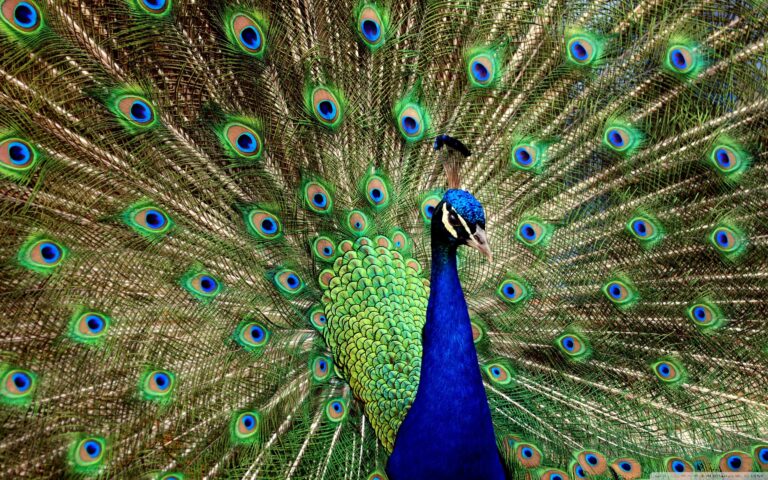
Peafowls are divided into three species, with the Indian peafowl being the most recognisable due to its spectacular tail feathers, known as a train. During mating rituals, male peacocks perform an elaborate courtship display, fanning out their iridescent feathers to attract females. This vibrant exhibition of colours not only showcases their health and genetic fitness but also plays a crucial part in their survival and reproductive success.
Cultural Significance of Peacocks
Peacocks have also made a remarkable impact on various cultures around the world. In Indian culture, the peacock is the national bird, symbolising grace, beauty, and pride. They are deeply rooted in Indian folklore, spirituality, and art, often associated with the goddess Saraswati, who embodies wisdom and learning. In Western culture, peacocks feature in art and literature, representing vanity and beauty. This duality in perception highlights the complexities of how peacocks are viewed globally.
Conservation Status
Despite their glamour, peafowls face significant threats from habitat destruction and hunting. The Indian peafowl, while currently listed as of ‘Least Concern’ by the IUCN, is facing an uncertain future, with populations decreasing in some regions due to urbanisation and poaching. Conservation efforts are underway to preserve their habitats and ensure their survival for future generations. This highlights the need for increased awareness and action regarding wildlife protection.
Conclusion
Peacocks serve as a testament to the beauty of nature and the interconnectedness of ecosystems. Their remarkable displays far exceed mere visual splendour; they underscore vital biological processes and cultural narratives. As biodiversity faces unprecedented challenges, recognising the importance of such species is critical. By promoting conservation efforts and respecting these magnificent creatures, we can ensure that peacocks continue to thrive, enriching our lives and landscapes for years to come.