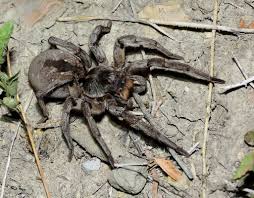
The Importance of Wolf Spiders
Wolf spiders are intriguing creatures that play a significant role in the ecosystem. Belonging to the family Lycosidae, these spiders are known for their distinctive hunting method, using speed and agility instead of webs to capture prey. Understanding wolf spiders is essential for appreciating their part in controlling pest populations within gardens and natural habitats.
Behaviour and Characteristics
Wolf spiders can be recognized by their large size, typically ranging from 1 to 2 inches in length, and their robust bodies covered in dense hairs. They are primarily nocturnal hunters, actively seeking food at night and relying on their keen eyesight to spot prey such as insects and other small arthropods. Unlike some other spider species, wolf spiders do not spin webs but instead chase down their prey on foot, which makes them effective predators.
Habitat and Distribution
These spiders are found in a range of habitats including gardens, forests, grasslands, and even in urban areas. They prefer environments where they can hide easily; thus, they often seek shelter in leaf litter, under stones, or within grassy tufts. There are over 200 species of wolf spiders in the UK, and they can thrive in various climates, demonstrating their adaptability.
Significance in Pest Control
Wolf spiders play a crucial role in natural pest control. By preying on common garden pests, such as aphids and caterpillars, these spiders help maintain ecological balance and reduce the need for chemical pest control methods. Many gardeners have found that a healthy population of wolf spiders can lead to fewer pest-related issues while also supporting a diverse ecosystem.
Addressing Misconceptions
Despite their benefits, wolf spiders are often mistaken for more dangerous species, which can lead to fear and unnecessary measures to remove them from gardens. It’s essential to educate the public about their non-aggressive nature and their value in the ecosystem. Unlike venomous spiders, wolf spiders are not a threat to humans and will only bite if provoked.
Conclusion
In summary, wolf spiders are remarkable predators that provide significant benefits in managing pest populations and contributing to biodiversity. As gardens continue to be challenged by pests, understanding and embracing the presence of wolf spiders can be a beneficial strategy for gardeners. Emphasising coexistence rather than eradication ensures that these invaluable spiders can continue to thrive in our natural environments, making them true allies in the fight against garden pests.