Introduction to West Nile Virus
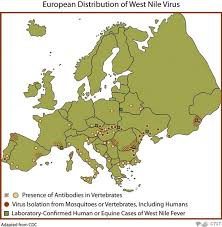
The West Nile virus (WNV) has recently been identified as a significant public health concern, especially during the warmer months when mosquito populations thrive. First identified in Uganda in 1937, the virus has become endemic in many regions, including parts of Europe and North America. Its life cycle involves mosquitoes, birds, and occasionally humans, leading to outbreaks that can have serious health implications.
Current Outbreak Trends
As of October 2023, the Centers for Disease Control and Prevention (CDC) reports a surge in West Nile Virus cases across the United States, particularly in Southern states such as Texas and California. According to the latest data, over 2,000 cases have been reported this year, including 120 fatalities. Public health officials are urging communities to take preventative measures as the summer season remains conducive to mosquito activity.
Symptomatology and Health Risks
While many infected individuals may remain asymptomatic, approximately 20% can develop mild symptoms including fever, headache, and body aches. Severe cases, occurring in less than 1% of infections, can result in neurological diseases such as encephalitis or meningitis. Certain populations, including the elderly and individuals with compromised immune systems, face a higher risk of severe outcomes.
Prevention Strategies
To combat the rising cases of West Nile Virus, health authorities recommend several key strategies for prevention. Individuals are advised to eliminate standing water where mosquitoes breed, use insect repellent containing DEET, and wear long sleeves and pants during outdoor activities. Community-wide mosquito control measures, such as spraying insecticides and monitoring mosquito traps, are also critical in reducing mosquito populations.
Conclusion and Future Outlook
The increase in West Nile Virus cases emphasizes the need for continued public education and effective mosquito management strategies. As we enter the next few months, community awareness and individual preventive actions will play a crucial role in controlling this virus. Authorities remain vigilant, prepared to respond to potential outbreaks, and encourage everyone to take necessary precautions to protect themselves and their families.