Introduction
The Zapad 2025 military exercise is poised to be one of the most significant military drills conducted by Russia in recent years. Scheduled for late 2025, this exercise underscores Russia’s ongoing strategic military developments and its implications for regional security dynamics, particularly in Eastern Europe. With growing geopolitical tensions, the exercise is generating considerable interest from global analysts and military experts.
Background on Zapad Exercises
The Zapad series of exercises, which translates to “West” in English, have been conducted by Russia periodically since 2009. These drills typically involve large-scale troop movements, joint operational tactics, and the coordination of various military branches, including ground, air, and naval forces. Historically, these exercises are staged in conjunction with Belarus and illustrate the deepening military ties between the two nations.
Expected Scale and Objectives
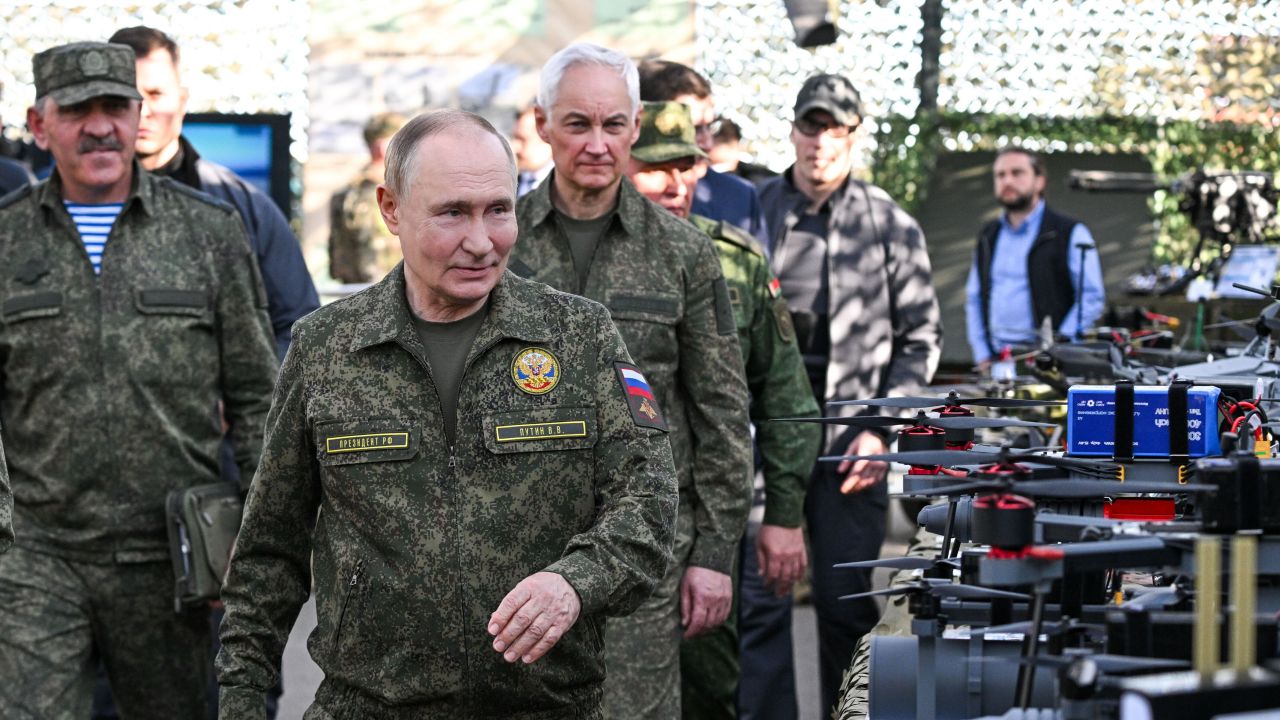
Zapad 2025 is expected to feature approximately 100,000 troops, alongside various military assets such as tanks, artillery units, and aircraft. The objectives of this exercise are multifaceted, targeting enhanced readiness, interoperability among allied forces, and the demonstration of Russia’s military capabilities to both national and international observers. Analysts indicate that the exercise may include scenarios related to hybrid warfare, cyber warfare, and counter-terrorism, given the evolving nature of modern conflict.
Geopolitical Implications
The Zapad 2025 exercise is anticipated to have significant implications for European security. NATO has expressed concerns regarding the potential for these drills to be used as a pretext for incursions into neighbouring states. In response, NATO has ramped up its presence in Eastern Europe with increased military spending and exercises of its own to counterbalance perceived threats. Observations from experts also suggest that the exercise could lead to a recalibration of military strategies among NATO member states, particularly those bordering Russia.
Conclusion
As the Zapad 2025 military exercise approaches, it serves as a reminder of the enduring strategic competition in the region. The exercise will not only test the preparedness of Russian forces but also shape the approach of NATO and European states towards Russia. For observers and policymakers alike, monitoring this exercise will be crucial, as its outcomes may influence regional stability and security for years to come.