Introduction
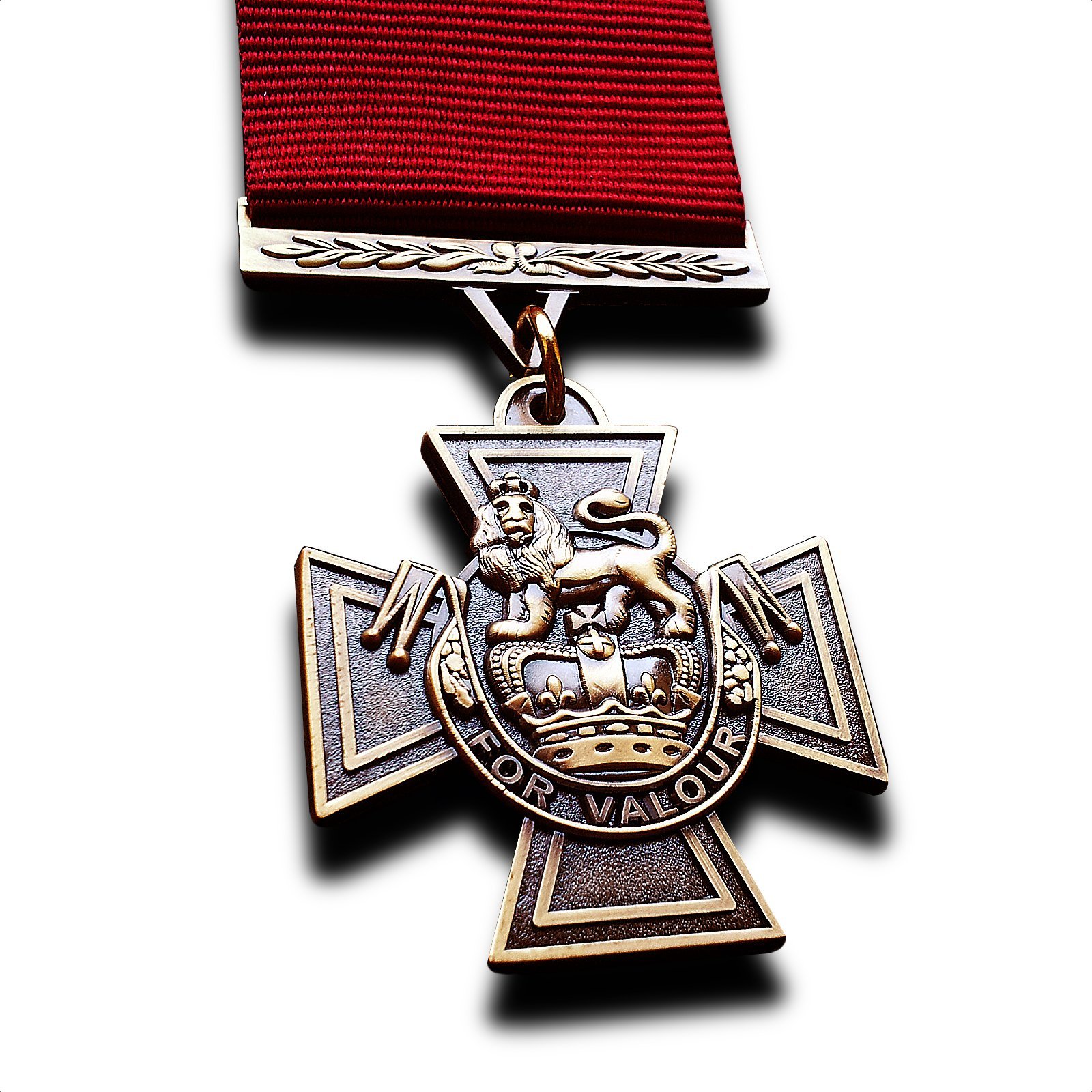
The Victoria Cross (VC) is the highest military decoration for valour in the face of the enemy that can be awarded to members of the armed forces of the Commonwealth of Nations. Established in 1856, it serves as a powerful symbol of bravery and sacrifice, recognising acts of extreme bravery performed by service personnel during armed conflict. Its significance extends beyond mere recognition; it serves to inspire future generations to value courage and selflessness.
History of the Victoria Cross
Originally instituted by Queen Victoria to honour acts of valor during the Crimean War, the VC has since evolved through various conflicts including World War I, World War II, and modern engagements. The medal is awarded for ‘most conspicuous bravery, or some daring or pre-eminent act of valour’ and is often presented to recipients in a formal ceremony, typically by a senior military official or member of the royal family.
Recent Recipients of the Victoria Cross
In recent years, the Victoria Cross has continued to be awarded, with notable presentations highlighting acts of bravery in challenging circumstances. For instance, Corporal Joshua Leakey was awarded the Victoria Cross in 2015 for his courageous actions during a firefight in Afghanistan in 2013. Similarly, the posthumous award given to Sergeant John Williams in 2022 highlighted the ongoing commitment of service members to protect their comrades, showcasing actions that embody the spirit of the VC.
Significance in Modern Times
The Victoria Cross remains a pivotal emblem of gallantry. Beyond its historical context, it provides a narrative that strengthens the ties between the military and civilian communities. The stories attached to each award resonate on various levels, promoting awareness of the sacrifices made by service members and encouraging conversations about military ethics and responsibilities. Moreover, organisations that support veterans often use the legacy of the VC to advocate for the wellbeing of former service personnel.
Conclusion
The Victoria Cross is far more than a decoration; it represents a tradition of courage and selfless service. By understanding its background and the stories of recipients, individuals can better appreciate the sacrifices made by military personnel. As newer generations assume roles within the armed forces, the legacy of the VC as a symbol of bravery will undoubtedly continue to inspire those who serve and the society they protect.