Introduction
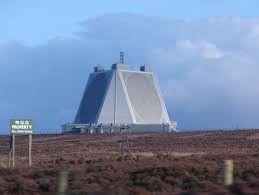
RAF Fylingdales, located in North Yorkshire, is a crucial military installation of the Royal Air Force. Established during the Cold War, it plays a significant role in the UK’s air defence and missile warning systems. With ongoing geopolitical tensions and advancements in missile technology, the strategic importance of RAF Fylingdales continues to rise, making it a focal point of British national security.
Historical Background
Opened in 1963, RAF Fylingdales was initially a part of the United States’ Ballistic Missile Early Warning System. The base featured the iconic “golf ball” radar domes which were designed to detect incoming intercontinental ballistic missiles. Over the years, the facility has undergone several upgrades to enhance its capabilities, transitioning from Cold War-era technology to modern surveillance and tracking systems.
Current Operations and Capabilities
Today, RAF Fylingdales forms part of the UK’s contribution to NATO and collaborates closely with its allies. The installation is equipped with advanced radar systems that can track and gather information on air and space objects, providing early warning for potential threats.
In 2022, RAF Fylingdales received significant funding to upgrade its technological infrastructure, ensuring it remains at the forefront of defence capabilities. The UK’s Defence Command paper outlined the strategic vision for the base over the next decade, highlighting its role in missile defence and space surveillance as key priorities.
Impact on Local and International Defence
The presence of RAF Fylingdales has implications not only for UK defence but also for international security. As global tensions escalate, the base serves as a vital component within the NATO alliance, collaborating on intelligence sharing and joint exercises that enhance collective security. The relationship with the United States also underscores the importance of transatlantic defence partnerships.
Conclusion
RAF Fylingdales remains an essential element of the UK’s defence strategy, evolving in line with contemporary threats and technological advancements. Its capability to monitor aerospace activity is crucial for ensuring the safety of British airspace and supporting NATO operations. As military dynamics continue to shift globally, the strategic relevance of RAF Fylingdales will likely grow, reinforcing its position as a central pillar of air defence in the UK.