Introduction
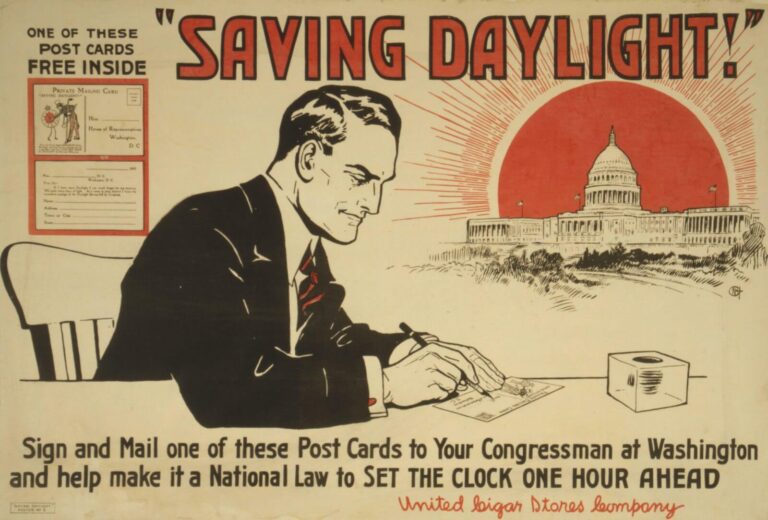
The time change in the UK, primarily centred around the transition between Greenwich Mean Time (GMT) and British Summer Time (BST), holds significant importance for various sectors, including transport, business, and personal routines. This twice-a-year adjustment impacts millions and has sparked discussions on its necessity and effectiveness in contemporary society.
What is the Time Change?
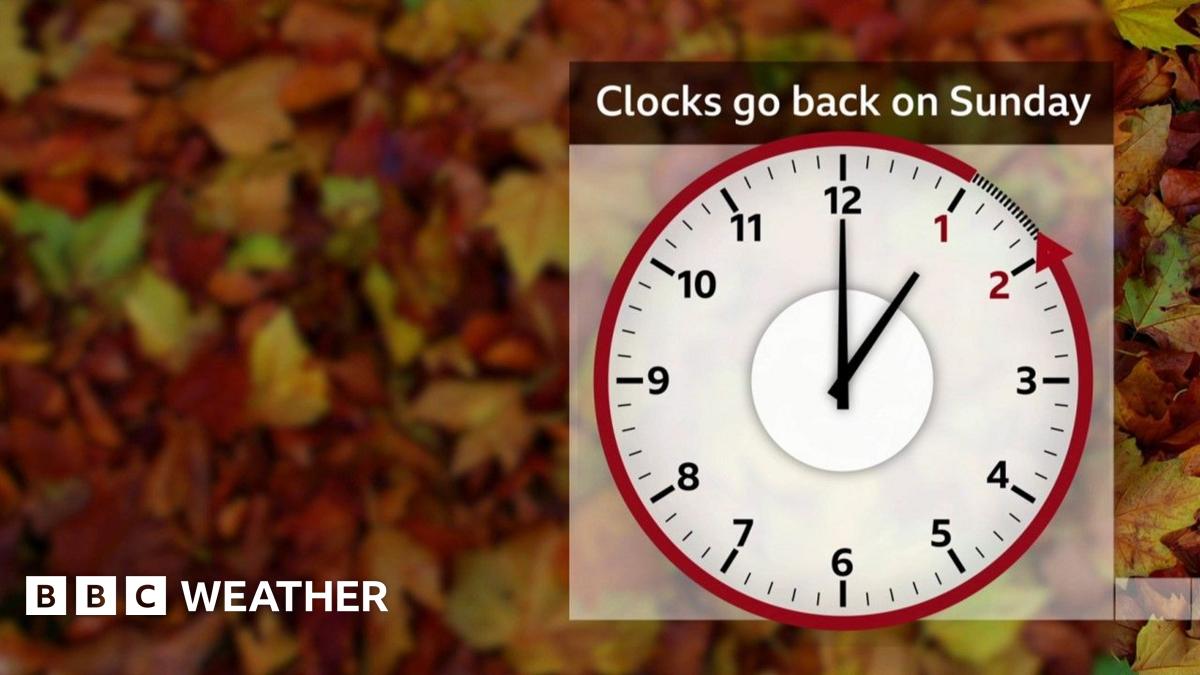
In the UK, the time change occurs twice annually: in spring and autumn. Clocks are set forward by one hour at 1:00 AM on the last Sunday in March, marking the beginning of British Summer Time, which continues until the last Sunday in October, when clocks revert to GMT by going back one hour. This system aims to make better use of daylight, reducing the need for artificial lighting in the evenings.
Current Events and Relevance
As we approach the next time change, set for 29th October 2023, discussions are rekindling around the relevance and impact of this practice. Research indicates that the time change can have effects on sleep patterns, productivity levels, and general well-being, leading to heightened support from some quarters for a permanent time system. Proponents argue that eliminating the biannual shift could streamline various sectors, including transport and emergency services, which often see a spike in incidents during these transitions. Meanwhile, many citizens express fatigue over the disruption to personal routines and the risks associated with darker mornings during winter months.
Future Considerations
As daylight saving time continues to be a topic of debate, potential future changes remain on the table. The UK government has previously explored the option of abandoning the time change entirely, aligning with a growing number of countries globally. The European Union, for instance, has also faced discussions regarding the abandonment of seasonal clock changes. Should such a legislative change take root in the UK, it could usher in significant alterations in daily life and business operations.
Conclusion
The time change in the UK remains a topic of considerable importance, affecting various aspects of daily life. As the next transition approaches, residents are encouraged to prepare adequately, not just in terms of adjusting clocks but also within their personal schedules and well-being practices. The ongoing discussions about the future of time change highlight its multifaceted relevance, suggesting that this conversation is far from over and that potential shifts in policy could reshape the landscape of timekeeping in the UK.