Introduction
Daylight savings time (DST) has been a topic of discussion for many years, especially as it affects daily life and energy consumption. Introduced to make better use of daylight during the longer days of summer, the practice continues to evoke differing opinions among citizens and policymakers. In the UK, the debate around daylight savings has regained prominence as changes are being considered for 2023. Understanding its significance can help clarify how these alterations might impact everyday life.
What is Daylight Savings?
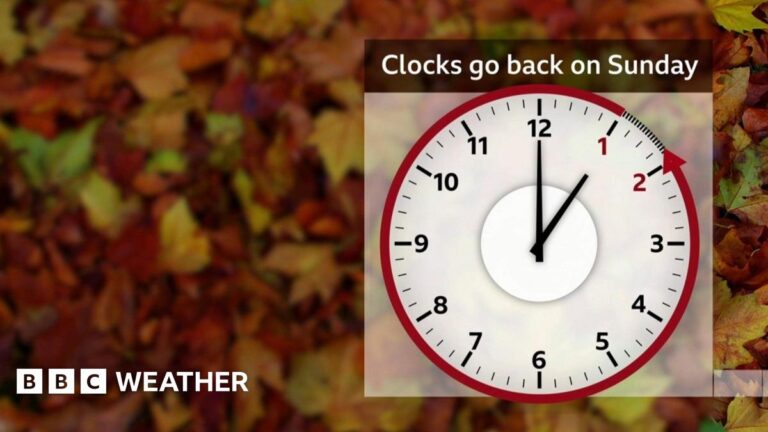
Daylight savings involves moving the clocks forward by one hour during the warmer months to extend evening daylight. In the UK, this typically means setting clocks forward one hour at 1:00 am on the last Sunday of March and reverting the clocks back at 2:00 am on the last Sunday of October. While the idea is rooted in energy conservation, its benefits and drawbacks continue to be debated by scientists and sociologists alike.
Recent Developments
In 2023, the UK government has been under pressure to reassess the necessity of daylight savings time. A recent survey conducted by a think tank revealed that 60% of the participants support permanently moving to BST (British Summer Time) and abolishing the clock changes altogether. Advocates for this change argue that it could reduce incidences of seasonal depression, improve mental health, and enhance productivity due to extended daylight in the evenings.
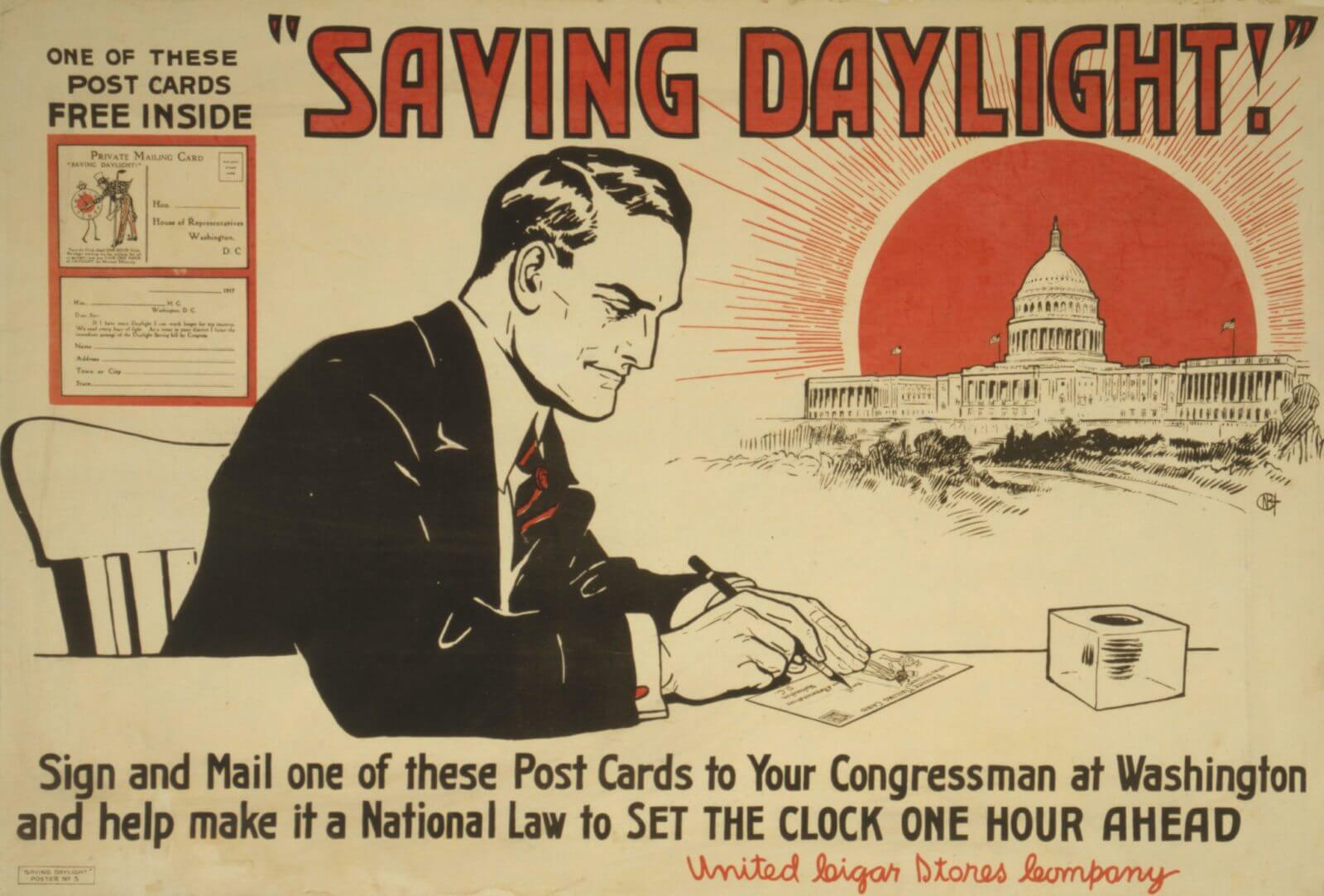
Conversely, opponents express concern about the potential disruptions to schedules and routines. For instance, the issue could impact agriculture and livestock management, which traditionally relies on daylight schedules. Discussions have also highlighted the historical significance of the practice, as the UK has had some form of daylight savings since World War I.
The Future of Daylight Savings
As legislators ponder the implications of permanently shifting to BST, it is essential for the public to stay informed about the potential changes. Should the government decide to eliminate the biannual clock adjustment, it could alter how individuals structure their days significantly. Businesses, schools, and families would need to adapt to these new time settings, potentially leading to a societal shift in daily rhythms.
Conclusion
Daylight savings remains a crucial and contentious issue for many in the UK as 2023 progresses. While people appreciate the extended evening light during summer months, the continuation of clock changes is being actively debated. Whether UK authorities decide to maintain the current system, adopt permanent daylight savings, or revert back to standard time, the discussion points to larger themes of health, productivity, and cultural heritage. For now, public opinion will continue to shape the evolving narrative of daylight savings.