Introduction
The Asian hornet, a non-native species, has become a growing concern across the UK due to its rapid spread and potential impact on local ecosystems. First identified in France in 2004, these invasive insects are now infiltrating British habitats, prompting alarm from environmentalists and beekeepers alike.
Identifying the Asian Hornet
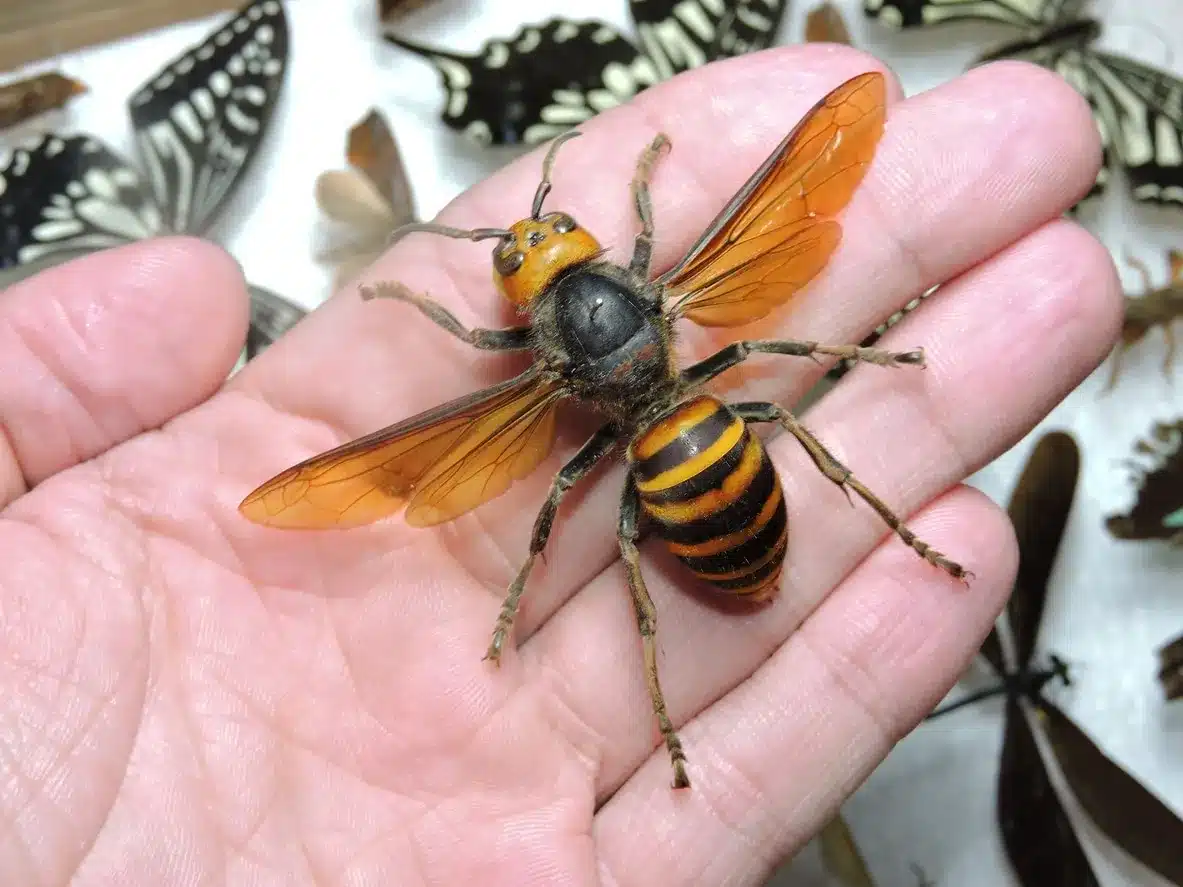
Asian hornets (Vespa velutina) can be distinguished from native hornets by their distinctive yellow-tipped legs and dark brown or black bodies. They are slightly smaller than native hornets, measuring between 2.5 to 3 cm in length. These insects typically construct their nests in trees, shrubs, and buildings, which can be a threat to local honeybee populations and, consequently, to UK’s biodiversity.
The Impact on Ecosystems
Asian hornets are predatory and primarily feed on honeybees, which serve as crucial pollinators in the ecosystem. Reports from beekeepers indicate that these invaders can decimate bee colonies, leading to decreased honey production and potentially jeopardising the pollination of crops. The impact could have serious repercussions for agriculture and local wildlife alike.
Recent Developments
In recent months, local authorities have ramped up efforts to monitor and control the spread of Asian hornets. The National Bee Unit (NBU) has been actively encouraging the public to report any sightings of the hornets to facilitate swift action. Workshops and seminars are being conducted to inform beekeepers about effective identification and management strategies.
Conclusion
The increasing presence of Asian hornets in the UK underscores the importance of public awareness and involvement in environmental conservation efforts. Monitoring and swift action will be critical in managing this invasive species and protecting local bee populations. Experts predict that without continued vigilance and action, the Asian hornet could disrupt local ecosystems further. As this situation unfolds, it remains crucial for communities to stay informed and prepared to combat this burgeoning threat.