Introduction
The East London Mosque (ELM) is not just a place of worship; it is a vital cultural and historical landmark that reflects the diverse heritage of London’s Muslim community. Established in 1910, the mosque serves as a major spiritual hub for thousands and plays an essential role in fostering community spirit and interfaith dialogue. Understanding its significance helps appreciate the multicultural fabric of East London.
A Rich History
Located in Whitechapel, the East London Mosque was originally founded to cater to the growing number of Muslim immigrants arriving in the area in the early 20th century. It was established as a response to the needs of the local community, which included both men and women from diverse backgrounds. Over the years, the mosque has undergone several expansions and renovations, the most notable being the completion of its new building in 2004, which increased its capacity significantly.
Architectural Splendour
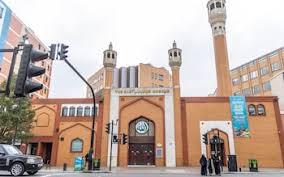
The mosque is renowned for its stunning architecture, which combines traditional Islamic design with modern elements. The striking dome and particularly the minaret make it a notable feature of the East London skyline. The mosque can accommodate over 1,600 worshippers in its main prayer hall and serves as a venue for various community activities, from educational classes to cultural events.
Community Engagement and Activities
ELM is deeply engaged with the local community. It offers various services, including daily prayers, educational programmes, and social services to cater to the needs of local inhabitants. Initiatives aimed at promoting understanding and harmony among different faiths and cultures are commonplace, with regular interfaith events bringing people together. Recently, the mosque has also been involved in tackling housing issues and supporting vulnerable communities during the pandemic, solidifying its status as a pillar of the community.
Recent Developments
In light of the increasing diversity in East London, the East London Mosque continues to adapt its programmes and outreach initiatives. Recent events have focused on youth engagement and the importance of mental health within the community. The mosque leadership believes in nurturing the next generation, ensuring they feel connected to their heritage while navigating contemporary challenges.
Conclusion
The East London Mosque stands not only as a place of worship but as a testament to the resilience and unity of London’s Muslim community. Its significant historical and cultural contributions continue to inspire and educate, promoting inter-community relations in a city renowned for its diversity. Moving forward, the mosque’s role will likely expand, fostering greater understanding and cooperation in a rapidly changing society.