Introduction
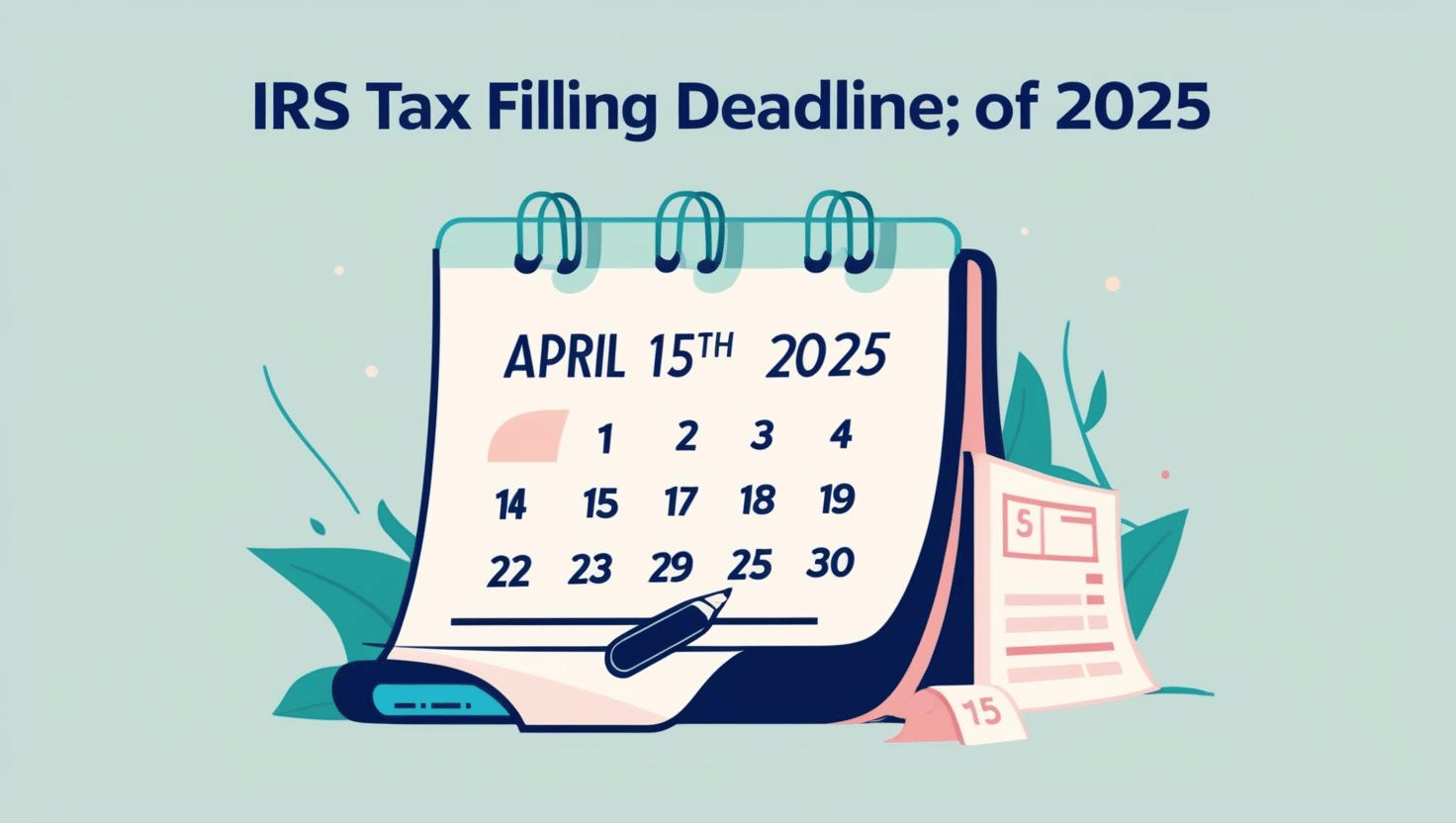
The tax filing deadline is a crucial date for individuals and businesses alike, as it marks the end of the tax year and the point by which tax returns must be submitted to the relevant authorities. In the UK, missing the deadline can lead to significant penalties and interest charges, making it imperative for taxpayers to be aware of upcoming dates and changes in legislation.
What is the Tax Filing Deadline?
In the UK, individual taxpayers must typically submit their self-assessment tax returns by January 31 following the end of the tax year on April 5. For the upcoming 2023/2024 tax year, the deadline for online submissions will be January 31, 2025. Those who file on paper have a deadline of October 31, 2024. It’s essential to remember these dates because they not only dictate when returns are due but also when any outstanding tax liabilities must be paid.
Recent Changes and Updates
Tax regulations can evolve and change, affecting deadlines and requirements. In recent years, HM Revenue and Customs (HMRC) has encouraged digital submissions and has introduced various schemes to support taxpayers. With technology increasingly at the forefront of tax filing, the introduction of new online systems has streamlined the process, though some taxpayers still prefer traditional paper filing methods.
Consequences of Missing the Deadline
Failure to meet the tax filing deadline can result in serious consequences. HMRC imposes an automatic £100 penalty for late submissions, with additional fines accruing the longer the return remains unpaid. Furthermore, missed deadlines can lead to further investigation and scrutiny, resulting in potential audits. Such penalties can be particularly severe for business owners, who may also face reputational damage.
Getting Prepared
Taxpayers should prepare well in advance of deadlines to avoid last-minute stresses. This preparation includes gathering necessary documentation, such as income statements, receipts, and other relevant financial records. Additionally, taxpayers should consider consulting financial advisors or utilising online tax assistance tools offered by HMRC to ensure their submissions are accurate and timely.
Conclusion
As the tax filing deadline approaches, awareness and preparation are key for individuals and businesses across the UK. Understanding the implications of the deadline not only helps avoid penalties but also ensures compliance with tax obligations. Taxpayers are encouraged to remain vigilant and proactive in their preparations to make the filing process as smooth as possible.