Introduction
The tax filing deadline is a crucial date for taxpayers in the United Kingdom, affecting individuals and businesses alike. As the financial year comes to a close, understanding the implications of this deadline is essential for avoiding penalties and ensuring compliance with HM Revenue and Customs (HMRC) regulations. With the current landscape of tax laws evolving, it’s important to stay informed about the key dates and processes relevant for 2023.
Key Dates and Importance
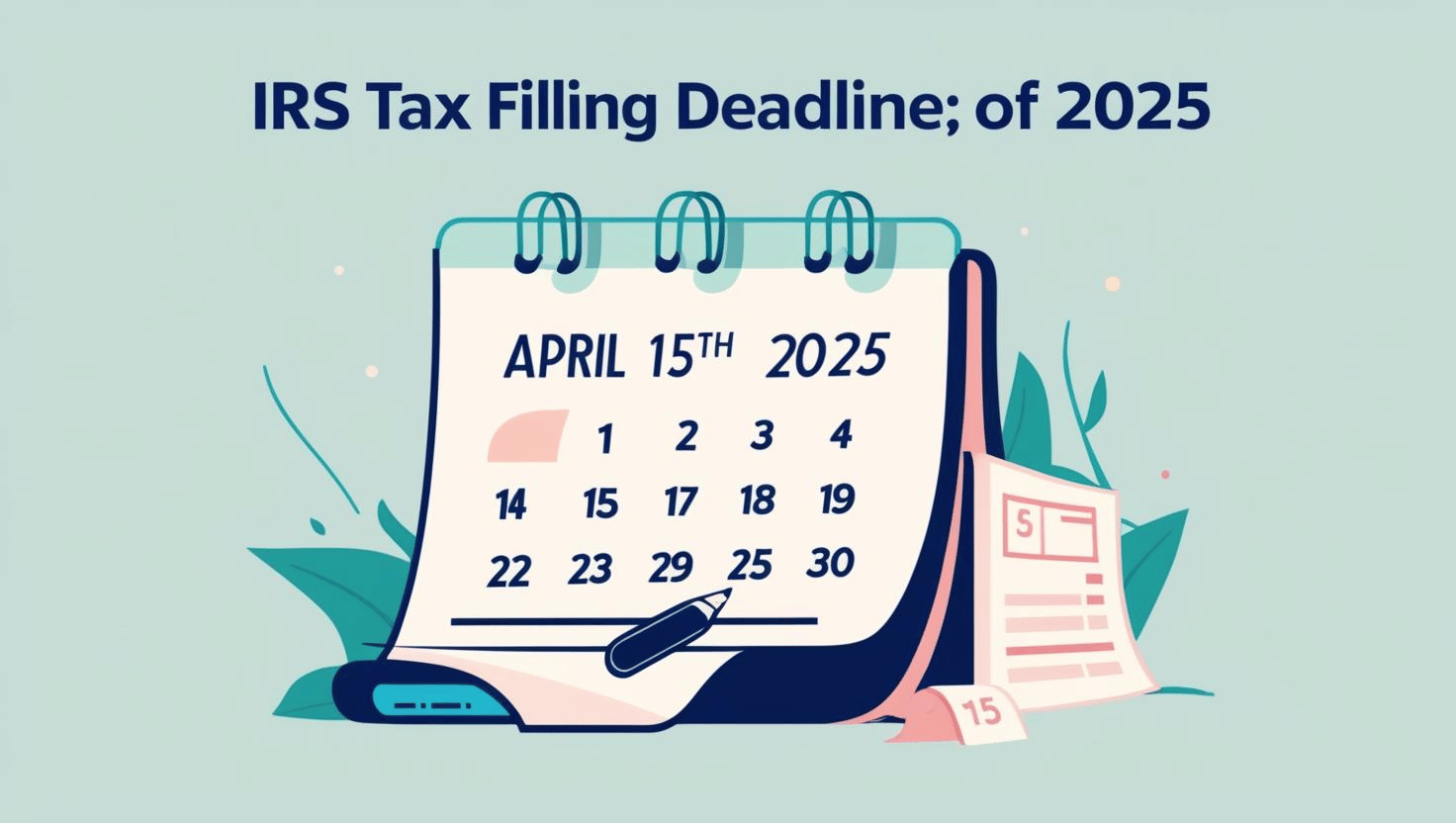
For the tax year 2022/2023, the primary tax filing deadline for individuals is set for 31 January 2024. This date is particularly significant as it marks the end of the submission period for Self Assessment tax returns. Failure to submit by this deadline may result in late fees and increased scrutiny from HMRC. Understanding these deadlines can alleviate stress and ensure that taxpayers complete their obligations on time.
For companies, the filing deadline aligns with their company accounting period, which can vary depending on when the business began trading. Companies must file their corporation tax returns and pay any due tax within nine months of the end of their accounting period. This necessitates meticulous financial record-keeping and planning from business owners.
Recent Changes and Compliance
Recent modifications in tax filing procedures have introduced more ways for taxpayers to manage their submissions online. The implementation of Making Tax Digital (MTD) for income tax is expected to transition to all individuals with income exceeding the tax threshold by 2026. Therefore, getting accustomed to digital filing practices now is advisable. In preparation, taxpayers are encouraged to maintain accurate records using recognised accounting software to ensure a seamless filing experience.
Conclusion
In conclusion, the tax filing deadline of 31 January 2024 is pivotal for UK taxpayers and businesses. As deadlines approach, being proactive is key. It is recommended that all taxpayers review their financial situations, gather relevant documentation, and consider seeking advice from tax professionals to navigate any complexities. By taking these steps, individuals and businesses can fulfil their obligations and avoid costly penalties while remaining compliant with the evolving landscape of tax regulations.