Introduction to Council Tax
Council tax plays a significant role in local government funding across the UK. Introduced in 1993, this local taxation system is essential for financing various public services, including waste collection, street maintenance, and local education services. As residents navigate rising living costs, understanding council tax becomes increasingly relevant for planning household budgets and knowing available exemptions or discounts.
How Council Tax is Calculated
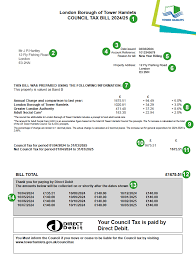
Council tax is calculated based on the value of a property and its designated band, which ranges from A to H. The valuation considers factors such as the property’s estimated value as of April 1, 1991. Residents receive a bill indicating their council tax band and the amount owed for the financial year, which can vary significantly depending on local authority rates.
Exemptions and Discounts
There are numerous exemptions and discounts available that can aid in reducing council tax bills. For instance, individuals who are full-time students, under 18, or living in a care home may exempt from council tax. Additionally, discounts might apply for single occupants or those with disabilities. Homeowners are encouraged to check their eligibility and apply for any applicable reductions.
Current Trends and Changes in Council Tax
In recent years, council tax rates have seen an upward trend, often reflecting increased funding demands on local councils. The latest reports indicate that many councils have announced plans for further increases in the coming financial year, primarily due to inflation and the rising costs of essential services. Data published by the Office for National Statistics shows that the average council tax in England rose by approximately 3.5% in 2023, with local authorities citing income stability concerns as a motivation for these increases.
Conclusion
Understanding council tax is crucial for residents as it directly impacts household finances and local services. It is important for taxpayers to stay informed about their council tax band and seek potential discounts or exemptions to alleviate their financial burden. As the pressures on local councils mount, staying updated with any changes in council tax policies, in line with government strategies, will be vital for responsibly managing household expenses in the UK. With ongoing discussions about funding for essential community services, the landscape of council tax may continue to evolve, making it essential for residents to stay engaged and informed.