Introduction
The polar vortex is a significant weather phenomenon that can dramatically affect winter conditions across various regions, including the UK. As cooler air is pushed from the poles, it can result in severe weather events such as heavy snowfall and extreme cold. Understanding the polar vortex weather forecast is crucial for preparedness and mitigating the impacts on daily life.
What is the Polar Vortex?
The polar vortex is a large area of low pressure and cold air surrounding the Earth’s poles. Occasionally, this vortex weakens or shifts, allowing frigid air to spill southwards into temperate regions. This disruption can cause chaotic weather patterns, with the potential for unusually cold temperatures and snowfall even in areas that might not typically experience such extremes.
Current Polar Vortex Forecasts
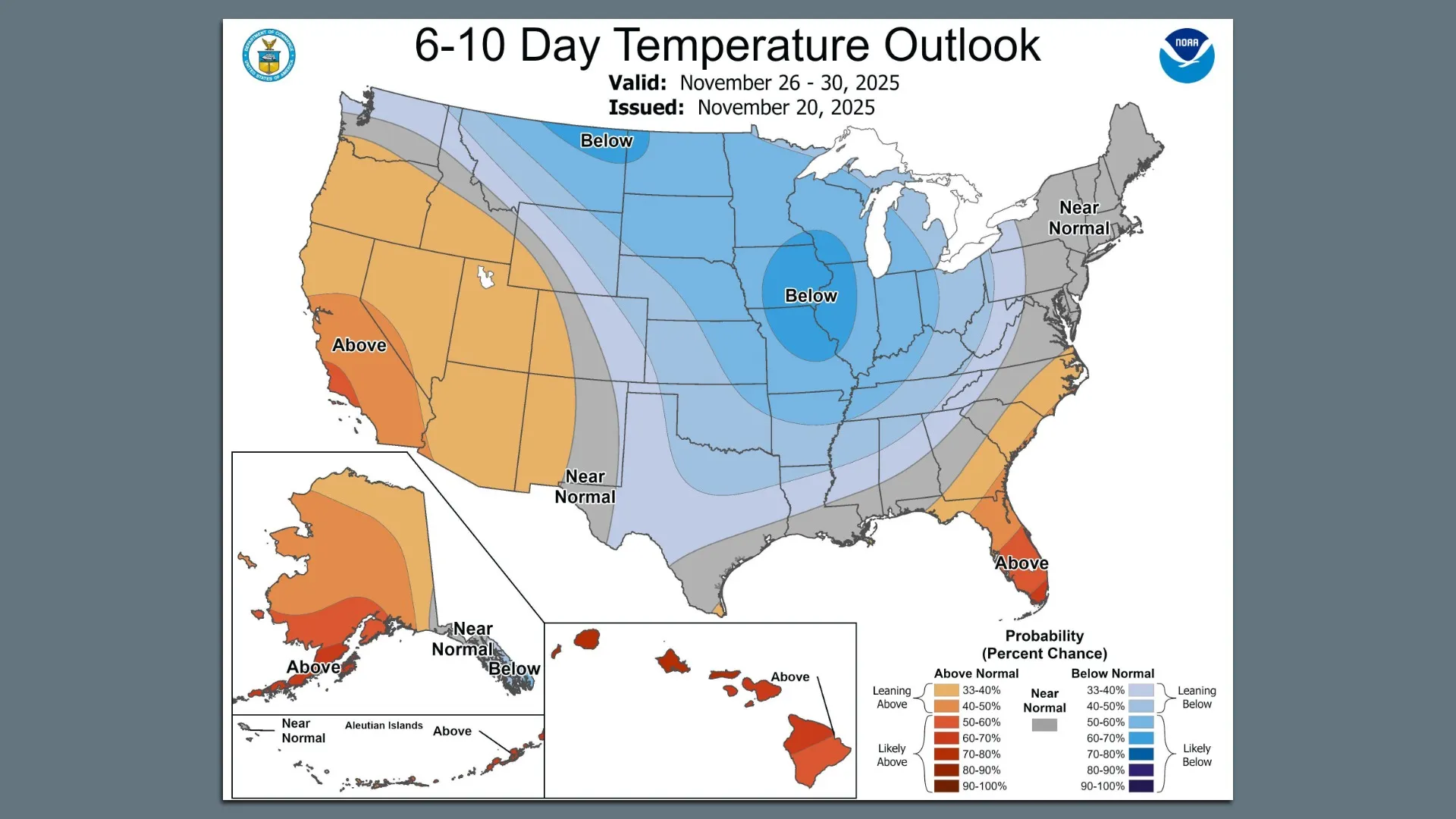
According to the latest meteorological reports, forecasters have noted an unusual pattern in the polar vortex, with indications of weakening. The UK Met Office has warned of colder-than-average temperatures expected in the coming weeks, particularly across northern and central regions. Data suggests that this shift may lead to increased chances of winter storms, particularly later in January and February.
Impacts on Weather Patterns
The potential impacts of a disrupted polar vortex on the UK include prolonged cold snaps and heavy snowfall. Historical data from previous years show that when the polar vortex weakens, the UK can experience significant climatic changes, with heightened risks of severe frosts and potential disruptions to transport and infrastructure.
Conclusion
As we anticipate the effects of the polar vortex, staying informed through reliable weather forecasts is essential. Residents are advised to prepare for potential weather disruptions, including winter storms and significant drops in temperature. Understanding the polar vortex and its forecast implications can aid individuals and communities in planning and responding appropriately to the impending winter conditions. The significance of this phenomenon and its forecast underlines the importance of climate monitoring and preparedness measures.