Introduction
The death of Jeffrey Epstein, the convicted sex offender and financier, has raised numerous questions and sparked ongoing debates since it was announced on August 10, 2019. His untimely demise while in custody has led to widespread speculation regarding the circumstances surrounding his death and its relevance to ongoing discussions about justice and accountability in cases of sexual abuse. Epstein’s case has implications not just for the victims he left behind, but also for the broader societal issues of power dynamics and abuse.
Events Leading to His Death
Jeffrey Epstein was arrested in July 2019 and faced federal charges for sex trafficking of minors in Florida and New York. His high-profile connections and allegations of extensive abuse of underage girls made headlines globally. While waiting for his trial, Epstein was placed in a cell at the Metropolitan Correctional Center in New York City. His death, officially ruled as suicide by hanging, occurred during a time when he had been previously placed on suicide watch, then moved back into a general population cell.
Controversy and Conspiracy Theories
The circumstances surrounding his death have been marred by controversy, with many pointing to a lack of surveillance and the failure of guards to perform regular checks as contributing factors. This has led to rampant speculation around the idea that Epstein may have been murdered to prevent him from implicating powerful individuals in his network of abuse. While no credible evidence has surfaced to support these theories, the intense scrutiny surrounding Epstein’s life and death has cultivated a climate ripe for conspiracy theories.
Implications of Epstein’s Death
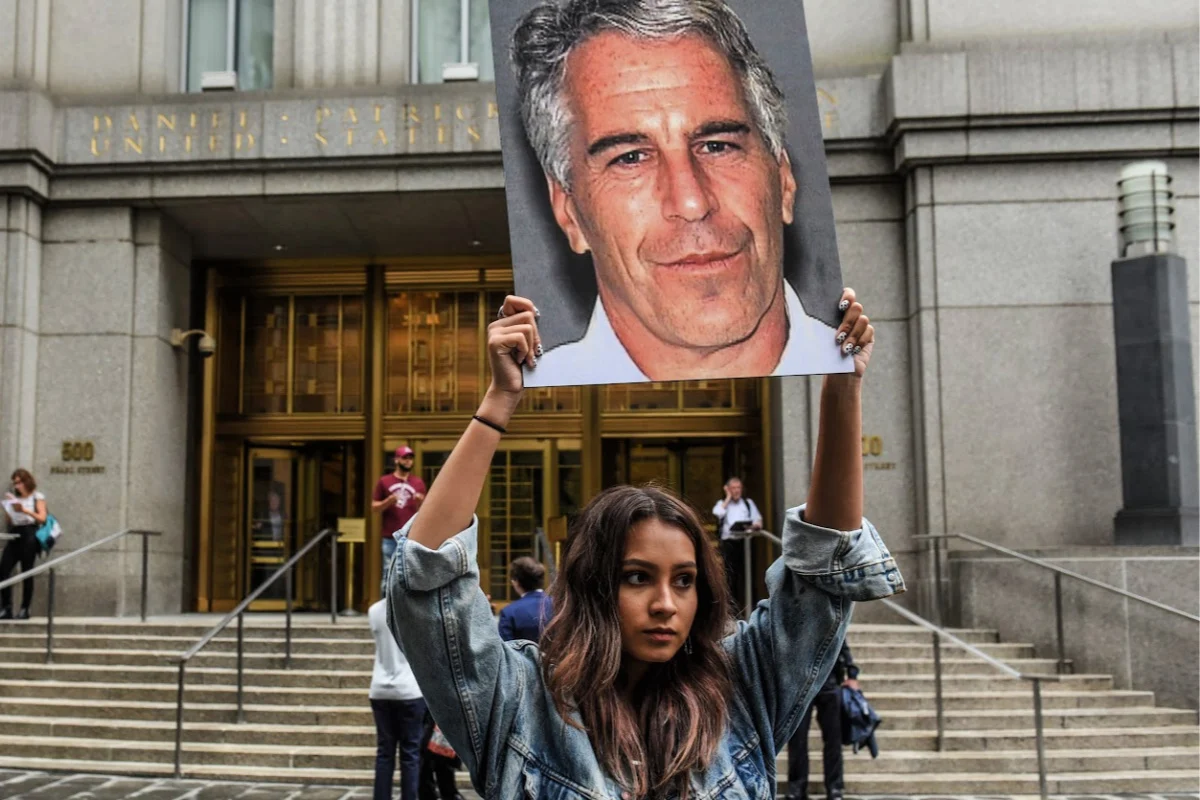
The aftermath of Epstein’s death has prompted significant discourse around the failures of the legal system in addressing and preventing sexual abuse. Activists and survivors are concerned that his death may hinder future investigations into his associates, diminishing potential justice for other victims. Furthermore, it has reignited discussions surrounding systemic issues within facilities housing high-risk offenders and the ethics of wealth and power in shaping legal outcomes.
Conclusion
In conclusion, Jeffrey Epstein’s death continues to have far-reaching implications, highlighting the need for reform in how sexual abuse cases are handled, particularly those involving high-profile individuals. The conversations spurred by his case remain critical for advocates and society, shedding light on the importance of protecting vulnerable populations and ensuring that justice prevails without influence from wealth or status. As investigations into Epstein’s associates continue, the hope remains for genuine accountability for the victims and a transparent judicial process moving forward.



