Introduction
The Russia Ukraine conflict, which began in 2014 and escalated dramatically in February 2022 with Russia’s full-scale invasion, remains one of the most critical geopolitical issues of our time. This conflict not only impacts the two nations involved but also has far-reaching effects on global security, economy, and international relations. As tensions persist, understanding the complexities of this situation has never been more crucial.
Current Developments
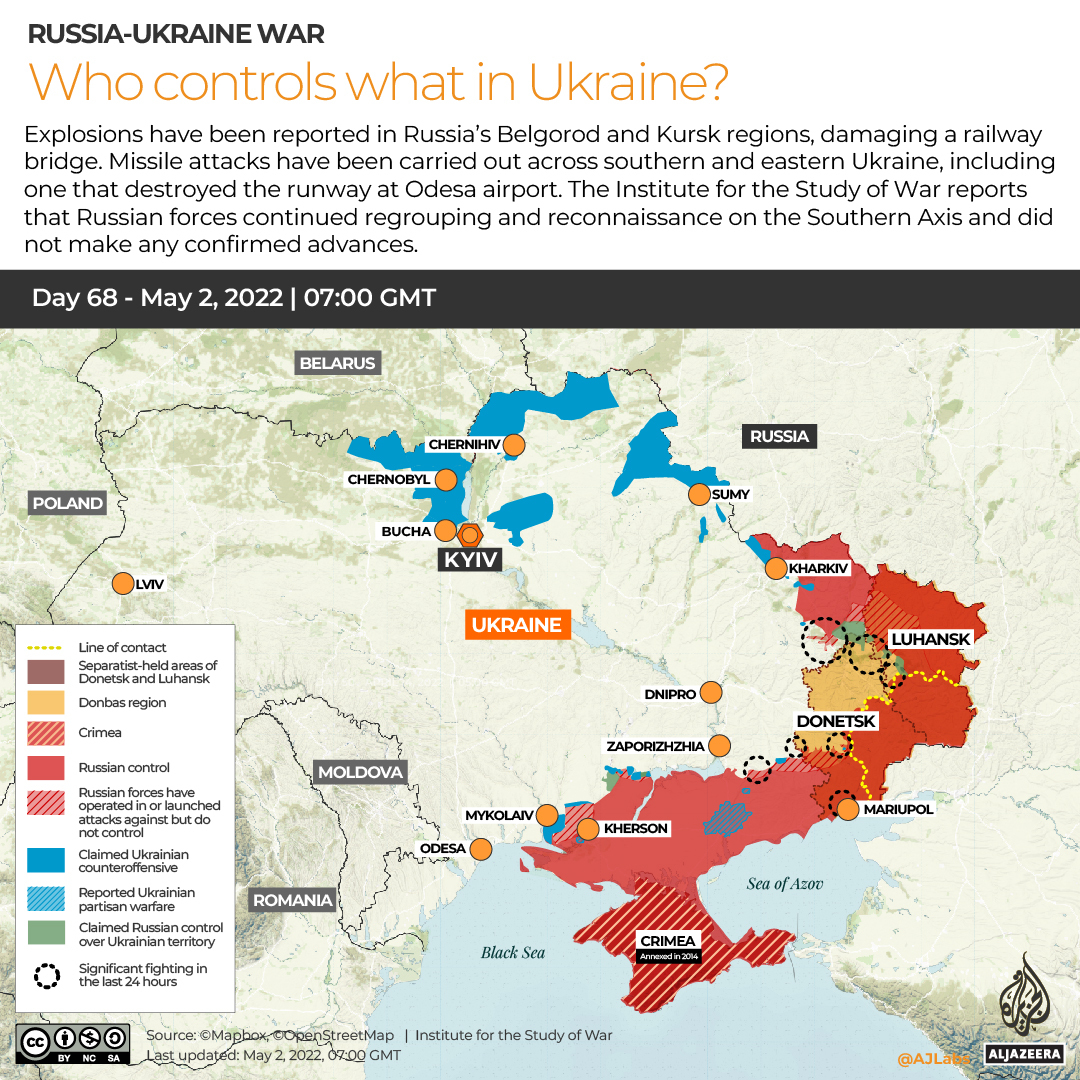
Recent weeks have seen a significant intensification of hostilities in Ukraine, particularly in the eastern regions such as Donetsk and Luhansk. Reports from the frontlines indicate that Russian forces are attempting to capture key cities while Ukrainian troops are engaged in a dance of defence and counteroffensive strategy. In September 2023, Ukraine launched a campaign to reclaim territories occupied by Russia in the north, leading to a series of fierce battles.
Additionally, diplomatic talks have faced numerous setbacks as attempts to broker peace remain fruitless. The intensity of the fighting has continued to strain relationships not only between Russia and Ukraine but also amongst international allies. Countries like the United States, members of the European Union, and NATO have been ramping up military and economic support for Ukraine, further aggravating the situation.
Humanitarian Impact
The human toll of this conflict continues to rise. According to the United Nations, millions of Ukrainians have been displaced, and casualties mount as battles rage on. Emergency services remain fully engaged, providing urgent assistance to those affected by the continuous violence. International agencies are striving to deliver humanitarian aid, although access remains a significant challenge due to the ongoing conflict.
Global Implications
The Russia Ukraine conflict also has profound implications for global security and economic stability. Energy prices have fluctuated wildly as Europe tries to reduce its dependence on Russian gas. Furthermore, the agricultural sector has been heavily affected due to Ukraine’s role as a key grain producer, leading to food shortages in various parts of the world.
Conclusion
As the Russia Ukraine conflict continues, it is imperative for global citizens to stay informed about developments and understand the broader implications of this ongoing crisis. Analysts predict that the conflict may persist for the foreseeable future, urging the international community to seek resolutions while providing ongoing support to those impacted. The stakes are monumental, and the world watches closely as events unfold.