Introduction
In the age of digital streaming, traditional television viewing habits are experiencing rapid transformation. Yet, the role of TV guides remains pertinent, serving as a critical tool for audiences to navigate an increasingly vast array of content. With an overwhelming number of shows available on streaming platforms alongside traditional cable offerings, a comprehensive understanding of today’s TV guide is essential for viewers to enjoy their favourite programmes without the frustration of endless scrolling.
The Changing Landscape of TV Guides
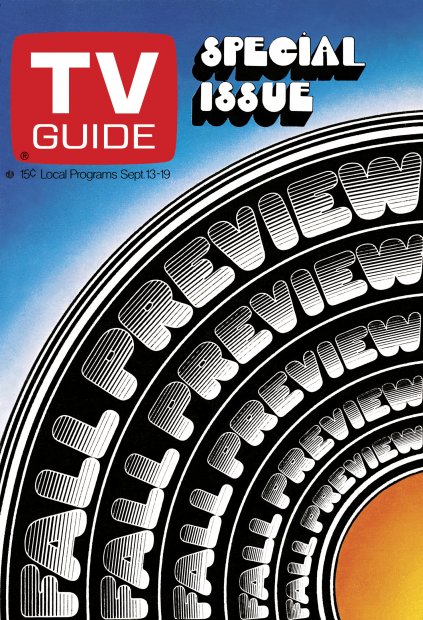
TV guides have evolved significantly since their inception. Once simply printed schedules listing times and channels, they now encompass a multitude of digital formats. Platforms such as TV guides integrated into smart TVs and mobile apps allow users to personalise their viewing experience. Streamers like Netflix and Disney+ provide curated lists based on user preferences but often lack the straightforward scheduling that traditional TV guides offered.
Recently, several new features have emerged to enhance the utility of TV guides in response to viewer needs. These include real-time updates on programme availability, alerts for airing times, and even recommendation systems that suggest content tailored to individual tastes. For instance, channels like BBC and ITV have integrated their schedules into mobile applications, making it easier for audiences to access live programming and on-demand content.
Significant Events and New Launches
In 2023, the launch of several new TV guide apps has caught the attention of consumers and industry analysts alike. Apps like JustWatch and Reelgood have become increasingly popular, allowing users to browse and discover content across multiple platforms quickly. These modern TV guides provide not only live TV schedules but also comprehensive streaming library searches, showcasing how the demand for intuitive and user-friendly navigation has never been higher.
Moreover, partnerships between various streaming services and TV guide applications have streamlined the viewing process. For instance, collaborations that allow smart home assistants to provide verbal cues on what to watch next have made the concept of the TV guide more interactive and integrated into daily life.
Conclusion
As the way we consume television continues to shift, the significance of TV guides—both traditional and modern—persists in guiding viewers through a labyrinth of choices. These tools are integral in preventing viewers from feeling lost in an ocean of content and are expected to evolve further with advancing technology. In an ever-expanding digital landscape, the future of TV guides looks promising, with innovations that may redefine our viewing experiences and enhance accessibility to entertainment.