Introduction
The issue of energy debt has become increasingly pressing in the UK, particularly in the wake of escalating energy prices and the lasting effects of the COVID-19 pandemic. With Ofgem, the energy regulator for Great Britain, overseeing a market that has seen rising costs and numerous supplier failures, it is essential to comprehend the implications of energy debt for consumers and the industry as a whole. This crisis has significant ramifications not only for households struggling to pay their bills but also for the stability of the energy market.
The Current Situation
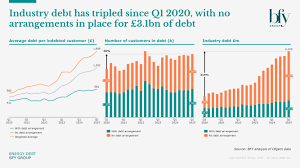
According to recent statistics from the debt charity StepChange, around 6.9 million households in the UK are in energy debt as of late 2023. This staggering number is reflective of a broader struggle, as energy prices have surged by over 65% since 2021, driving many into financial distress. Ofgem reported that the energy price cap, which protects consumers from exorbitant charges, has been raised multiple times in the past year in response to soaring wholesale prices, leaving many families unable to keep pace with their energy costs.
The cost-of-living crisis exacerbated by inflation and rising interest rates has left many consumers questioning their energy provider’s reliability and exploring alternatives. In light of current circumstances, Ofgem has stated it is committed to ensuring that suppliers act fairly in managing customer debts and assisting those facing difficulties. However, critics argue that the measures taken so far have fallen short of addressing the growing crisis effectively.
Factors Contributing to Energy Debt
Several key factors are fuelling the rise in energy debt. Primarily, the global energy market disruptions caused by geopolitical tensions and the ongoing effects of the pandemic have resulted in unpredictable and often exorbitant energy prices. Furthermore, many customers transitioned to variable tariffs during previous periods of lower pricing, leaving them vulnerable to the current market volatility.
Another contributing element is the limited support offered to vulnerable consumers. While various government initiatives, including energy price support measures, have been implemented, there remains concern regarding the accessibility and adequacy of these resources for those most at risk. Many households report feeling overwhelmed by their debt levels, unable to navigate payment plans or adjust usage to manage costs.
Conclusion
In conclusion, the Ofgem energy debt crisis underscores a significant challenge for the UK’s energy landscape. Consumers face mounting pressure as household debt skyrockets, and industry responses remain under scrutiny. As the energy market continues to grapple with ongoing instability, foresight and proactive measures become crucial for both regulation and consumer empowerment. Looking ahead, it is imperative for Ofgem and the government to devise comprehensive strategies aimed at reducing energy debt and providing sustainable support to affected households to ensure a more resilient energy future for all.