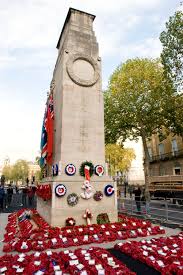
The Importance of the Cenotaph
The Cenotaph, a prominent war memorial located in Whitehall, London, stands as a profound symbol of remembrance for those who have lost their lives in conflicts. Its significance has grown over the years, becoming a central point for national ceremonies and an emblem of collective mourning in the United Kingdom and across the Commonwealth.
Historical Context
The Cenotaph was designed by Sir Edwin Lutyens and unveiled on November 11, 1920, following the First World War. Initially a temporary structure, it was so well-received that it was made permanent. The design reflects simplicity and dignity, featuring a tomb-like shape devoid of any military symbols, making it a place for all nations’ fallen heroes. The Cenotaph was essentially erected to honour British and Commonwealth soldiers who died during the war, but over the decades, its memorial function has expanded to include all service members lost in various conflicts.
Significant Events and Ceremonies
Every year on Remembrance Sunday, which takes place on the Sunday nearest to November 11, a national service is held at the Cenotaph. The service includes a two-minute silence at 11 am, when the public and dignitaries alike pay their respects. In 2022, the ceremony was especially poignant as it marked 100 years since it became a memorial to all who have served in armed conflict. High-ranking officials, including the Prime Minister and members of the Royal Family, lay wreaths at the base of the monument, representing their gratitude and recognition of sacrifice. This ritual acts as a unifying moment for the nation, inviting people from all walks of life to remember their loved ones and reflect on the cost of war.
Current Relevance
In recent years, the role of the Cenotaph has been scrutinised in the context of contemporary conflicts and the evolving discussions around remembrance. Issues such as veteran mental health, the conflicts in Iraq and Afghanistan, and the discussions about colonial legacies have influenced public sentiments regarding how war memorials, including the Cenotaph, are perceived. Various groups continue to call for more inclusivity in recognition of all affected by war, including peacekeepers and those who suffer from conflict indirectly.
Conclusion
The Cenotaph remains not only a structure of remembrance but a touchstone of national identity and conscience. Its ongoing role as a site of commemoration underscores the importance of remembering the sacrifices made for freedom and peace, while also encouraging dialogue about the complexities of war and memory in today’s society. As we continue to reflect on our history, the Cenotaph will undoubtedly serve as a vital reminder of those lost and the lessons learned from conflict.