Introduction
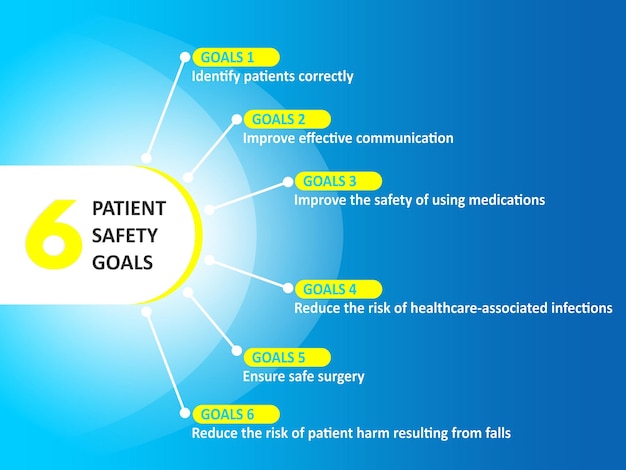
Patient safety is a critical component of healthcare that aims to prevent errors and harm to patients during medical treatment. As the healthcare industry continues to evolve, the focus on patient safety becomes increasingly relevant, especially in light of recent events that have highlighted the importance of standardising safety practices. The World Health Organization (WHO) recognizes that improving patient safety is essential in enhancing the quality of healthcare systems around the world.
Current Events and Initiatives
In 2023, a recent report from the UK’s Care Quality Commission (CQC) indicated that nearly 50% of NHS trusts had failed to meet essential safety standards. This alarming statistic has prompted a nationwide review and the launch of several initiatives aimed at boosting patient safety. NHS England has committed to a new patient safety strategy that emphasises a culture of transparency and safety, involving both healthcare providers and patients in the conversation.
One of the significant changes being introduced involves the use of advanced technology, including electronic health records (EHR) and AI-based tools that assist in clinical decision-making. These innovations aim to reduce human error and ensure that all patient information is accurately documented and easily accessible to all healthcare professionals involved in a patient’s care.
Challenges in Patient Safety
Despite ongoing efforts, challenges persist within the realm of patient safety. Staff shortages and high demand can lead to increased workloads, which may compromise the quality of care. Additionally, communication breakdowns among healthcare teams are frequently cited as a significant factor contributing to adverse events.
Moreover, as healthcare becomes more complex with the introduction of new treatments and technologies, continuous education and training for healthcare professionals are crucial. Organisations must remain committed to fostering a culture that prioritises safety, encouraging staff to report incidents without fearing blame and promoting ongoing training programmes.
Conclusion
In conclusion, patient safety remains a vital aspect of healthcare that directly impacts patient outcomes and the overall quality of care. With ongoing efforts from the NHS and healthcare providers, there is a clear path towards enhancing safety protocols and reducing errors. Looking ahead, it is imperative that all stakeholders in the healthcare system—including patients—are actively involved in safety initiatives. By fostering a collaborative approach to patient safety, we can make significant strides in ensuring that patients receive the safest care possible.