Introduction
In recent weeks, the UK has witnessed a series of strikes among resident doctors, igniting discussions about the state of healthcare in the country. The importance of this issue lies not only in the immediate impact on healthcare services but also in the long-term implications for medical training and workforce sustainability. As pressures on the National Health Service (NHS) escalate, understanding the root causes of these strikes has become crucial for all stakeholders.
Background of Resident Doctors Strikes
The current strikes largely stem from mounting dissatisfaction regarding working conditions, pay disparities, and the overall handling of NHS resources. According to the British Medical Association (BMA), junior doctors have been faced with increasing workloads, long hours, and stagnant salaries that fail to reflect the rising cost of living.
In July 2023, a survey conducted by the BMA revealed that 78% of resident doctors felt their wellbeing was adversely affected by their working conditions. Consequently, a large majority voted for strike action, leading to significant disruptions in hospital services. Hospitals across the UK have had to cancel non-urgent surgeries and outpatient appointments, straining the already overwhelmed healthcare system.
Recent Developments
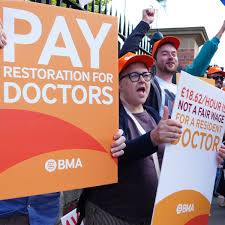
In early October 2023, resident doctors launched a series of planned strikes that saw thousands taking to the picket lines. The strikes occurred amid ongoing negotiations between the BMA and NHS Trusts regarding pay increases and better working conditions. Although the government has proposed minor adjustments to pay, the strikes continue as many see these offers as inadequate.
Health Secretary Steve Barclay has expressed concerns about the impact of the strikes on patient care, stressing the need for continued dialogue between the parties involved. Unions and various healthcare stakeholders are calling for a long-term action plan that addresses not only pay but also issues around job security and mental health support for these frontline workers.
Conclusion
The ongoing resident doctors strikes serve as a stark reminder of the challenges faced by the NHS and its workforce. As negotiations continue, the potential for further disruption remains a possibility if a satisfactory agreement is not achieved. For the public, the significance of these strikes emphasises the fragile state of healthcare in the UK and the need for strong advocacy for immediate and sustainable reforms. Understanding these issues is crucial for patients, policymakers, and future healthcare professionals as we navigate the ongoing healthcare crisis.