Introduction
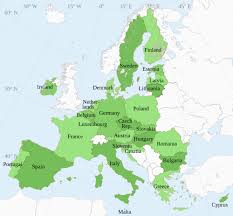
The European Union (EU) consists of 27 member countries that play a critical role in shaping not only European but global politics and economics. Understanding the structure and influence of these nations is essential for comprehending various aspects such as trade relations, cultural exchanges, and diplomatic dynamics within the continent and beyond.
Member Countries and Their Roles
The EU countries include Austria, Belgium, Bulgaria, Croatia, Cyprus, Czech Republic, Denmark, Estonia, Finland, France, Germany, Greece, Hungary, Ireland, Italy, Latvia, Lithuania, Luxembourg, Malta, Netherlands, Poland, Portugal, Romania, Slovakia, Slovenia, and Spain. Each of these nations brings unique characteristics and contributions to the EU. For instance, Germany and France are often seen as the engines of EU policy-making, leading economic initiatives and steering political agendas.
Current Events and Challenges
Presently, EU countries face several challenges, including the ongoing impact of Brexit, the economic ramifications of the COVID-19 pandemic, and the growing concerns about climate change. The departure of the UK from the EU in 2020 has led to significant adjustments in trade and migration policies. Moreover, the EU is working towards a cohesive strategy to tackle global warming, aiming for a carbon-neutral continent by 2050.
In light of the pandemic, EU countries have collaborated on vaccine distribution and economic recovery plans, exemplifying their capability to unify in times of crisis. However, tensions have arisen, such as disagreements on migration policies, revealing the complexities of governance within such a diverse union.
Conclusion
The significance of EU countries is undeniable as they navigate a rapidly changing global landscape. While they face internal and external challenges, the resilience and collaborative efforts among member states underscore the strength of the EU. Looking ahead, the ability of these nations to address pressing issues like climate change, economic stability, and political unity will determine the future trajectory of the EU and its role in the broader international community.