Introduction
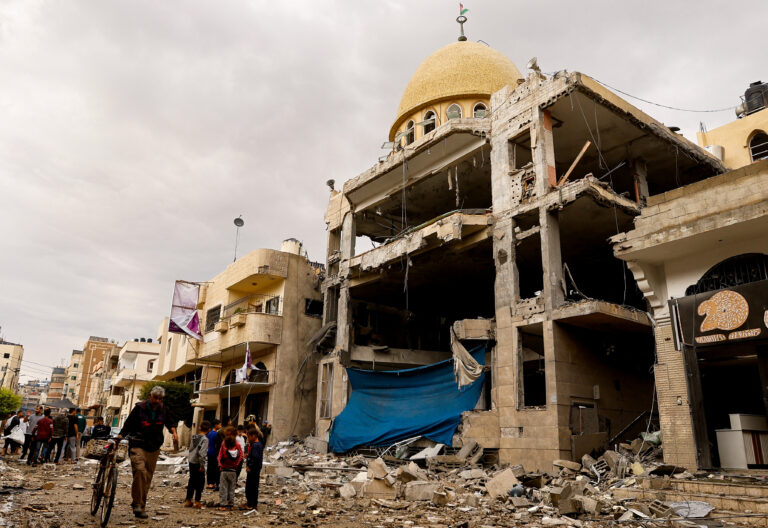
War has long been a catalyst for change, influencing the course of nations and the lives of individuals alike. In recent years, the focus on conflicts around the globe has heightened, reminding us of the devastating effects that war can have not just on countries involved but also on the global community. Understanding the relevance of war today is critical, as it shapes international relations, humanitarian efforts, and even domestic policies.
Current Conflicts and Their Impact
As of 2023, numerous conflicts are affecting different regions, with notable examples being the ongoing war in Ukraine and tensions in the Middle East. In Ukraine, the invasion by Russia has led to widespread displacement of civilians and a significant humanitarian crisis. According to the United Nations, over 7 million people have been internally displaced, with many seeking refuge in neighbouring countries. The war has drawn global attention, resulting in sanctions against Russia and increased military support for Ukraine from Western allies.
In the Middle East, conflicts involving multiple players, including Lebanon, Syria, and Israel, continue to illustrate the complexities of war. The consequences of these conflicts extend far beyond their borders, affecting economies and international security. Reports suggest that instability in these regions has contributed to rising global energy prices and energy security concerns.
Humanitarian Efforts Amidst Conflict
As wars rage, humanitarian organisations are working tirelessly to provide aid to affected populations. The International Committee of the Red Cross and various non-governmental organisations are actively engaged in war zones, delivering essential supplies, medical care, and emotional support to those impacted. Their efforts are crucial in alleviating the immediate suffering caused by war and ensuring the safety and dignity of displaced populations.
Conclusion: Looking Ahead
The implications of war are profound and far-reaching. As we witness ongoing conflicts, it is essential to acknowledge the importance of diplomacy and conflict resolution in preventing further violence. The current geopolitical landscape demonstrates a pressing need for dialogue, understanding, and cooperation among nations to mitigate the suffering caused by war. For citizens globally, staying informed and advocating for peace can play a role in shaping a future where war is no longer seen as the only option to resolve disputes.