The Vital Role of Classrooms in Education
In today’s educational landscape, the classroom serves as more than just a physical space; it is the epicentre of the learning process. The environment, culture, and dynamics within a classroom can significantly influence students’ academic success, social skills, and overall well-being. Understanding how classroom settings impact learning outcomes is crucial for educators, parents, and policy makers alike.
Current Trends in Classroom Design
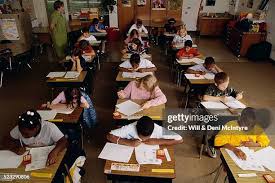
Recent studies have highlighted a shift towards flexible and student-centred classroom designs. Traditionally, classrooms have been structured with rows of desks facing a blackboard, creating a unilateral flow of information. However, many educational institutions are now adopting layouts that promote collaboration and communication among students. This includes circular seating arrangements, movable furniture, and dedicated spaces for group work, which allow for a more interactive and engaging learning experience.
Impact of Technology in Classrooms
The integration of technology in classrooms also plays a vital role in shaping modern educational environments. With the rise of digital tools, educators are now able to incorporate online resources, interactive whiteboards, and educational software that cater to diverse learning styles. This technological infusion not only enhances engagement but also prepares students for a workforce that is increasingly reliant on digital skills.
Challenges in Creating Optimal Classroom Environments
Despite the prominence of progressive approaches to classroom design, challenges remain. Issues such as overcrowded classrooms, lack of resources, and varying teaching methods can hinder the development of effective learning environments. Furthermore, the COVID-19 pandemic has emphasised the need for adaptable classrooms that can accommodate both in-person and remote learning, leading to discussions about hybrid classroom models.
Conclusion: Looking to the Future
As we look towards the future of education, it is clear that the role of the classroom will continue to evolve. The shift towards more dynamic, inclusive, and technologically enhanced environments is essential for fostering a culture of lifelong learning. Educators must remain vigilant and proactive in addressing the challenges faced within classrooms to ensure that all students have access to high-quality educational experiences. By prioritising the physical and emotional well-being of students, we can create classrooms that truly nurture intellect, creativity, and collaboration.