Introduction
The recent emergence of Trump X has sparked considerable discussion in political circles and among the general populace. As a multifaceted concept linked to former President Donald Trump, Trump X encompasses a range of implications that could reshape political landscapes in the United States and beyond. Understanding its relevance is crucial, especially as political tensions rise leading into the 2024 elections.
What is Trump X?
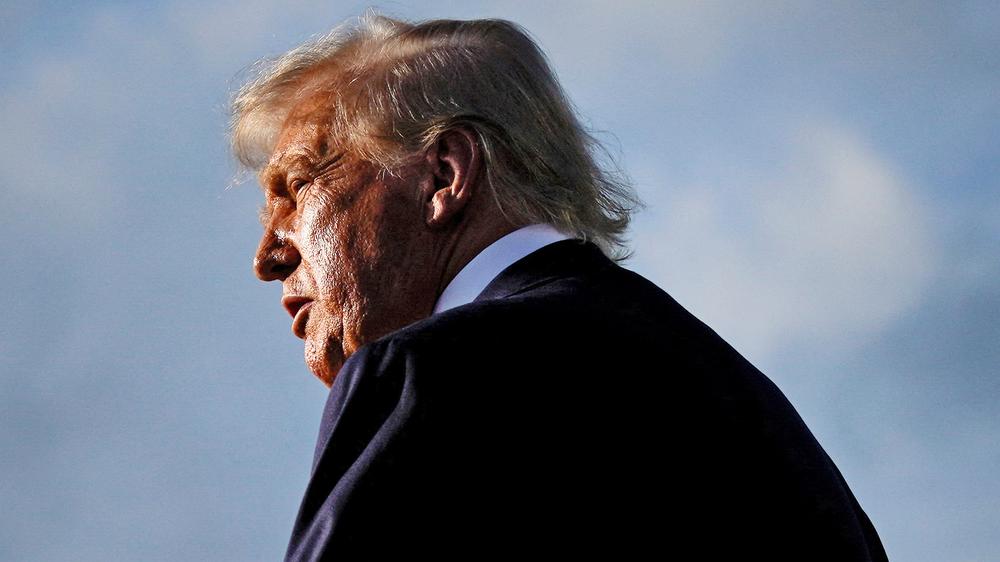
Trump X refers to the ongoing influence and strategies associated with Donald Trump following his presidency. This phenomenon encapsulates not only his political rallies and endorsements but also the way his ideologies resonate with a significant portion of the electorate. Trump X has been observed as a rallying point for Republican candidates seeking support from Trump’s base, creating a new wave of political identity.
Current Events and Analysis
As of October 2023, Trump X has taken various forms, continuously evolving with the political climate. Recent polls indicate that a considerable number of Republican voters remain staunch supporters of Trump, believing he still represents their views and aspirations. This loyalty is evident in various upcoming state primaries, where candidates aligning with Trump’s policies or securing his endorsement have experienced surging popularity.
Furthermore, Trump X is influencing campaign strategies significantly. Candidates on the Republican side are increasingly adopting Trump-esque rhetoric, focusing on issues that matter to his supporters such as immigration, law and order, and economic competitiveness. Moreover, Trump’s social media presence, though limited on traditional platforms, continues to thrive through alternative channels, maintaining his direct line of communication with supporters.
Conclusion and Implications
As the United States heads closer to the 2024 elections, the influence of Trump X cannot be underestimated. Candidates who embrace this phenomenon may have increased chances of mobilising Trump’s supporters, which is crucial in tight races. On the other hand, this environment also raises concerns regarding divisiveness in the political landscape, as traditional political norms may be challenged by fervent followers of Trump X. The future will reveal whether Trump X solidifies a lasting legacy or if it ebbs away with changing political tides. For voters and analysts alike, paying close attention to this evolving narrative will be essential for understanding not just the election outcomes, but the broader implications for governance and democracy in the United States.