Introduction
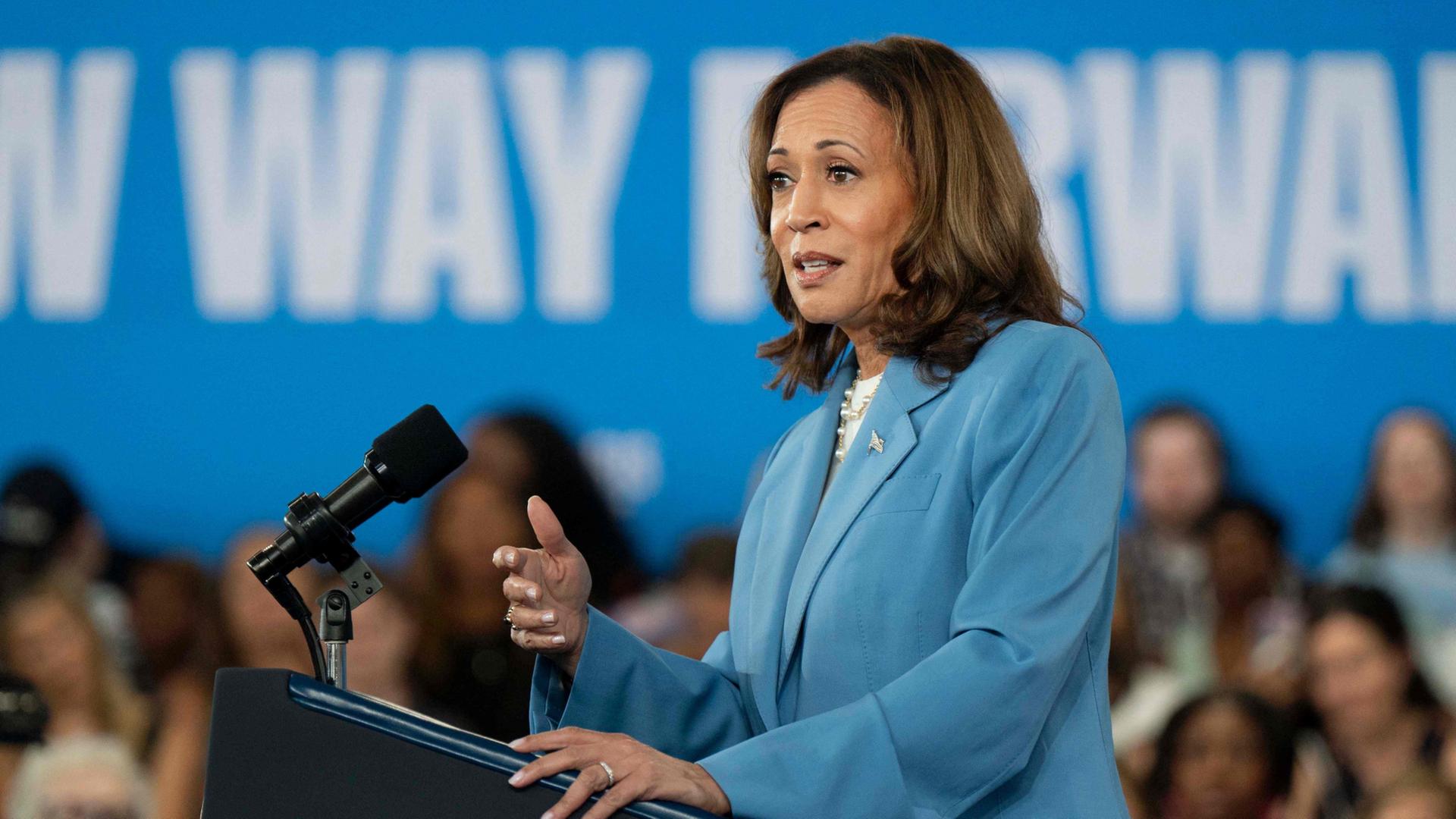
Kamala Harris, the first female Vice President of the United States, is a significant figure in American politics today. Her unique position not only reflects the progress made towards gender equality, but also highlights the increasing diversity within U.S. leadership roles. As a child of immigrants and a trailblazer for women of colour, Harris embodies the changing narrative of political authority in America.
Background and Rise in Politics
Born on October 20, 1964, in Oakland, California, Kamala Harris attended Howard University and the University of California, Hastings College of the Law. She began her career as a deputy district attorney before being elected as the Attorney General of California, where she gained national attention for her reformative policies. In 2017, Harris made history again when she became the first South Asian American and the second African American woman to be elected to the U.S. Senate.
Vice Presidency and Key Initiatives
In January 2021, Harris was inaugurated alongside President Joe Biden, propelling her into a vital role within the Biden administration. As Vice President, she focuses on several key areas including voting rights, racial equity, and climate change. Notably, Harris has been an advocate for the administration’s plans to protect voting access following challenges at state levels, underscoring her commitment to the democratic process.
During her tenure, she has also been involved in foreign diplomacy, representing the U.S. at international summits and engaging with foreign leaders. Her visit to Vietnam and Singapore in August 2021 marked her as a representative of the U.S. in significant geopolitical discussions, particularly as the country looks to strengthen ties in Asia.
Conclusion
Kamala Harris’s role as Vice President is pivotal not only in advancing the agenda of the current administration but also in setting a precedent for future generations of female leaders. Her presence in the White House signals a fundamental shift in the understanding of leadership in America, one that values diversity, equity, and inclusivity. The implications of her policies and leadership style will likely resonate for years to come, making her a crucial figure to watch in the evolving landscape of U.S. politics.