Introduction
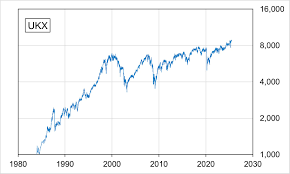
The Financial Times Stock Exchange 100 Index, commonly known as the FTSE 100, is a crucial indicator of the performance of the largest companies listed on the London Stock Exchange. As a benchmark for the UK economy, it is closely monitored by investors, analysts, and policymakers alike. Understanding the recent trends in the FTSE 100 is essential not only for institutional investors but also for individual retail investors looking to make informed decisions in the dynamic market environment.
Recent Performance and Trends
As of October 2023, the FTSE 100 has experienced significant volatility influenced by various global factors, including inflation rates, geopolitical tensions, and central bank policies. Over the past month, the index has seen fluctuations ranging from highs of 7,800 points to lows around 7,500 points. Several sectors, including energy and healthcare, have reported robust gains, whereas technology and consumer discretionary sectors have faced downward pressure due to rising interest rates and subdued consumer spending.
One of the defining events contributing to recent FTSE movements was the Bank of England’s decision to maintain interest rates, which resulted in a brief rally in the index. However, inflation concerns remain prevalent, affecting investor confidence. Additionally, the ongoing conflict in Ukraine and its economic implications have kept market sentiments cautious.
Key Influencers
Corporate earnings have played a significant role in shaping the performance of the FTSE 100. Notable companies such as BP and GlaxoSmithKline have posted stronger-than-expected quarterly results, boosting their stock prices and consequently, helping increase the index’s performance. Analysts predict that corporate profits in the UK may remain resilient but caution against the backdrop of persistent economic pressures.
Moreover, external factors such as changes in commodity prices and foreign exchange rates significantly impact companies listed on the FTSE 100, which often operate globally. The fluctuations in oil prices, for instance, directly affect energy companies, thus influencing the overall performance of the index.
Conclusion
In conclusion, the FTSE 100 remains a critical component of the UK financial landscape and serves as a barometer for investor sentiment and economic health. As we move towards the end of 2023, it is expected that the index will continue to navigate through challenges posed by external economic conditions and domestic policy changes. Investors should stay updated on global economic trends, corporate earnings, and geopolitical developments to make informed investment decisions in this ever-evolving market. The significance of the FTSE 100 will remain strong, making its understanding vital for anyone engaged in UK investments.