Introduction
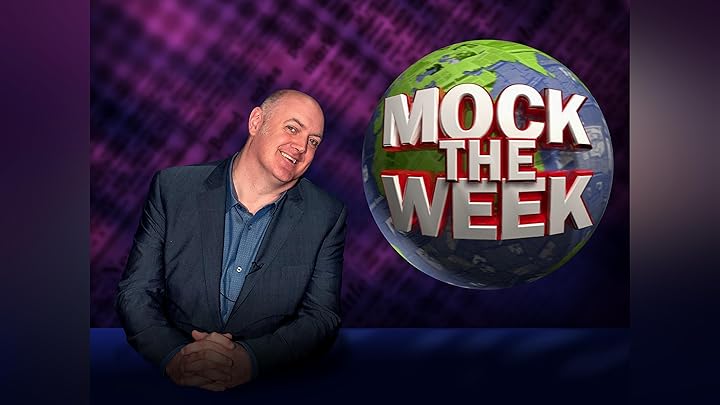
Since its inception in 2005, the BBC’s ‘Mock the Week’ has carved out a notable place in British social commentary and comedy. Combining sharp wit with current affairs, the show has provided a platform for some of the UK’s most talented comedians, and it remains an essential part of the nation’s television landscape. The series is not only a source of entertainment but also a reflection of the zeitgeist, capturing the mood of the nation amidst evolving political and social landscapes.
Main Body
‘Mock the Week’ features a mix of stand-up and panel discussions, often highlighting political issues and events in a humorous context. The format typically involves two teams of comedians who compete against one another, drawing upon news headlines and events to generate laughs while also sharing insightful perspectives. This balance of humour and commentary has turned the show into a cultural barometer, often addressing topics like Brexit, the pandemic, and recent elections.
In recent months, the show has tackled various pressing issues such as the cost-of-living crisis and the ongoing debates surrounding climate change. Critics and fans alike have applauded the series for its ability to handle sensitive topics deftly without losing its comedic edge. Recent episodes featured guests like Nish Kumar and Angela Barnes, who brought fresh perspectives that resonated with audiences navigating turbulent times.
Conclusion
As the landscape of comedy continues to evolve, ‘Mock the Week’ exemplifies how laughter can be a vehicle for understanding and commentary. This show’s longevity speaks to its importance and relevance in a society increasingly focused on social issues. Viewers can expect ‘Mock the Week’ to keep on engaging with contemporary matters while providing a much-needed respite through humour. Its future remains robust, with indications that it will continue to adapt and respond to the times, reinforcing its status as a vital part of British television and society.