Introduction
With rising inflation and the ongoing economic challenges facing many UK families, the Department for Work and Pensions (DWP) has implemented a scheme known as the Cost of Living Payment. This initiative is designed to provide financial support to those most affected by the increased cost of essential goods and services. Understanding what this payment involves is crucial for many households struggling to make ends meet.
Details of the DWP Cost of Living Payment
The DWP Cost of Living Payment is part of a broader effort to alleviate financial pressure on vulnerable populations, particularly low-income families, the elderly, and individuals with disabilities. Launched in 2022, this payment aims to support millions of households facing the impact of escalating living expenses, particularly energy costs and food prices.
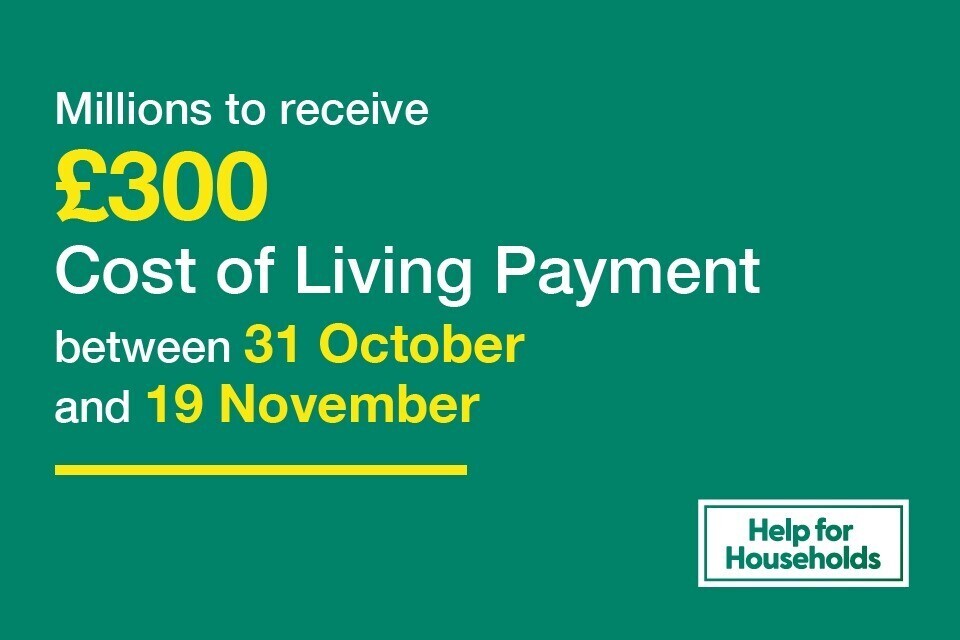
Eligible claimants could receive a one-time payment of £650, distributed in two instalments, along with an additional £150 for those in certain disability benefit categories. The first payment commenced in July 2022, followed by the second in the autumn, as part of the government’s broader response to the cost-of-living crisis.
To qualify for the Cost of Living Payment, applicants must be receiving specific benefits, including Universal Credit, Pension Credit, or certain legacy benefits. Those who claimed these benefits within the relevant time frames were automatically assessed for eligibility, eliminating the need for an additional application process. This streamlined approach ensures that support reaches those who need it the most, quickly and efficiently.
Current and Future Implications
As of October 2023, concerns about inflation continue to persist, which suggests that the DWP may need to consider more ongoing support mechanisms to help households cope. There have been calls from various advocacy groups for the government to make the Cost of Living Payment a more permanent fixture in the welfare support system, particularly as energy prices remain volatile and public services face funding challenges.
The impact of the DWP Cost of Living Payment is evident in the lives of those who qualify for it, having paid essential bills and aiding in budgeting for necessities. However, experts indicate that while this support is beneficial, it may not be sufficient as a long-term solution to the financial hardships many face.
Conclusion
The DWP Cost of Living Payment has established itself as a vital lifeline for millions of British households struggling with rising living costs. As the economic landscape continues to evolve, the government’s commitment to supporting its most vulnerable citizens will be pivotal in ensuring financial security and stability. The future of such payments may hinge on ongoing evaluations of the economic climate and the needs of families, highlighting the significance of community resilience and government intervention in times of crisis.