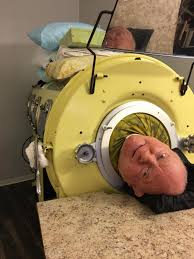
Introduction
Polio, once a global health menace, has seen a resurgence in certain regions of the world. Despite the eradication efforts leading to a dramatic decrease in cases worldwide, new outbreaks in Afghanistan, Pakistan, and even parts of Europe raise significant concerns. Understanding the current status of polio is crucial, as the World Health Organization (WHO) and other public health stakeholders strive to overcome the virus’s remnants.
Current Situation
According to WHO reports, in 2022, there were 29 cases of wild poliovirus reported globally, mainly concentrated in Afghanistan and Pakistan, where vaccination coverage has diminished due to conflict and logistical challenges. As programmes aiming for herd immunity stall, surveillance has also proved challenging.
Moreover, there has been a rise in vaccine-derived poliovirus, which occurs when the weakened form of the virus used in the oral polio vaccine mutates and transmits among under-immunised populations. Countries such as Malawi, Mozambique, and Israel have recently reported cases of vaccine-derived polio, emphasizing that eradication efforts must be sustained and adapted to emerging challenges.
Global Response Initiatives
To combat the recent flare-ups, robust vaccination campaigns have been reinstated in high-risk areas. In Pakistan, the government has partnered with international health agencies to conduct door-to-door vaccination efforts, aiming to immunise children under five on short notice. Furthermore, Afghanistan is also implementing similar strategies, despite the increased security concerns and infrastructural barriers.
International collaborations are bolstered by initiatives like the Global Polio Eradication Initiative (GPEI), which allies with various organisations, including UNICEF and Rotary International, to mobilise resources and expertise. As part of their approach, the GPEI focuses on increasing vaccine accessibility and community outreach.
The Road Ahead
The fight against polio has entered a critical phase. The ability to manage current outbreaks and prevent future occurrences hinges on sustained vaccination efforts and community engagement. Governments, along with global partners, must remain vigilant, as the resurgence of polio could undermine decades of progress towards eradication.
It is imperative for the public to understand the importance of vaccines and to support governmental and non-governmental organisations working to immunise the most vulnerable populations. As new variants of vaccine-derived polio emerge, collective action, ongoing education, and investment in healthcare infrastructure will be key to finally conquering polio worldwide.



