Introduction
The Elizabeth Line, officially opened in May 2022, marks a significant landmark in London’s transport infrastructure, connecting key areas of the city and providing an efficient link between its western suburbs and the heart of the capital. This new railway line is not only a technological achievement but also vital for boosting the economy and easing congestion within London’s transport system.
Main Body
Key Features of the Elizabeth Line
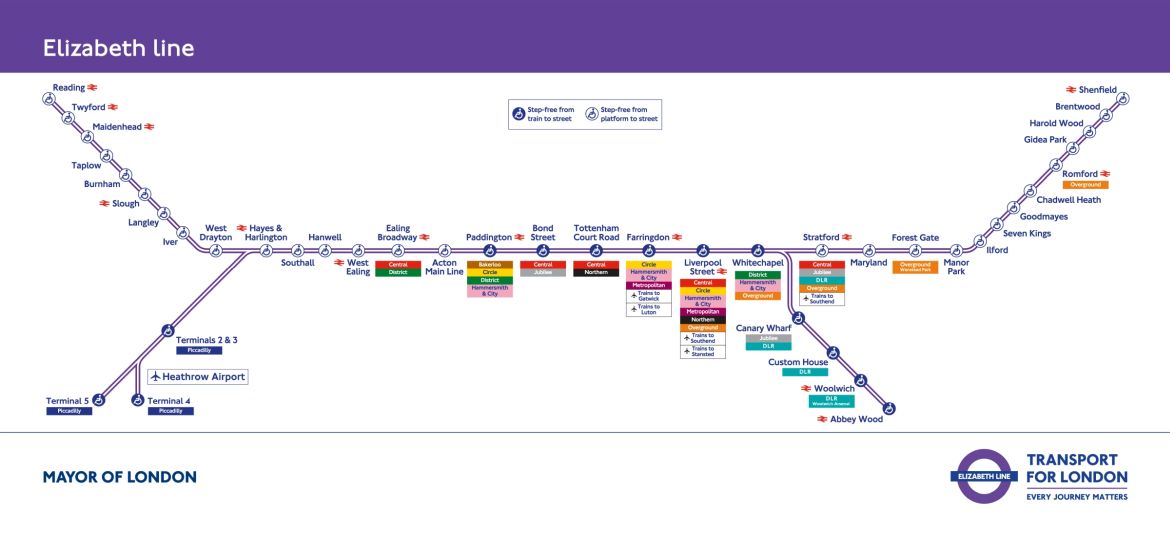
The Elizabeth Line stretches over 60 miles (100 km) and includes 41 stations, with 10 new stations specifically constructed for the line. It runs through central London, linking Reading and Heathrow in the west to Shenfield and Abbey Wood in the east. The line decreases travel time significantly, for instance, reducing the journey from Paddington to Canary Wharf by over 35 minutes.
Impact on Commuters
For daily commuters, the Elizabeth Line provides a much-needed alternative to the overcrowded Tube and bus services. According to Transport for London (TfL), it is estimated that the line will be used by 200 million passengers each year, offering a smoother, more reliable service. The introduction of the Elizabeth Line is set to alleviate pressure on existing transport routes, providing a direct and rapid means of travel across the city.
Environmental and Economic Benefits
Besides convenience, the Elizabeth Line is also designed with sustainability in mind. It incorporates energy-efficient trains that contribute to lower emissions compared to traditional transport methods. Furthermore, the line is expected to generate significant economic benefits, stimulating local economies and providing thousands of jobs during and after construction, particularly in the areas surrounding the new stations.
Conclusion
The Elizabeth Line is not just a railway; it represents a transformative approach to public transport in London. As it continues to develop, it offers the potential to reshape commuting patterns and foster growth in areas that were previously underserved. With ongoing investment and integration into London’s broader transport networks, the line is poised to remain a crucial component of urban life in London for years to come, making travel easier, more sustainable, and ultimately enhancing the city’s connectivity.