Introduction
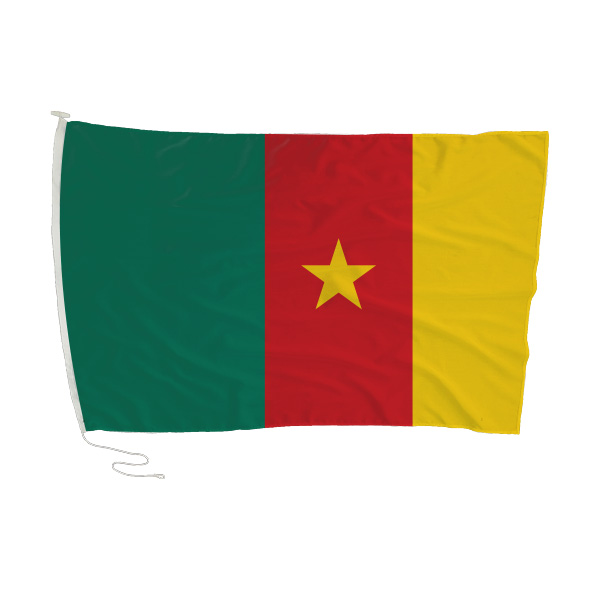
Cameroon, often referred to as ‘Africa in miniature’ due to its diverse geography and cultures, is a nation that encapsulates a myriad of ethnic groups, languages, and landscapes. The importance of understanding Cameroon lies in its strategic position in Central Africa, its rich resources, and the challenges it faces, particularly in governance, security, and socio-economic development. Recent events have underscored the complexities within the nation, making it a focal point for international attention.
Recent Developments
In recent months, Cameroon has been grappling with various challenges that have impacted its stability. The Anglophone crisis, which has persisted since 2016, continues to be a significant issue. Anglophone regions have experienced heightened tensions between separatists and government forces, leading to disruptions in education, healthcare, and daily life for civilians. According to a report by the International Crisis Group, the conflict has displaced over 700,000 people, exacerbating humanitarian needs.
Economic Challenges
Economically, Cameroon is facing a downturn, exacerbated by global factors such as the COVID-19 pandemic and fluctuating oil prices. The economy heavily relies on oil exports, which account for a substantial portion of government revenue. According to the World Bank, the GDP growth rate for 2023 is projected at 3.5%, a slight recovery from the pandemic-induced slump, but still insufficient to meet the needs of a growing population. Unemployment remains high, with millions of young people struggling to find stable work.
International Relations
Cameroon’s international relations have also come under scrutiny. The government’s handling of internal conflicts and human rights concerns has drawn criticism from several non-governmental organisations and foreign governments. Despite this, Cameroon remains an important partner in regional security, particularly in combating terrorism in the Lake Chad Basin area. The efforts of the Multinational Joint Task Force have underscored Cameroon’s role in addressing security challenges posed by Boko Haram and other militant groups.
Conclusion
The situation in Cameroon is an intricate blend of challenges and resilience. As the nation navigates its internal conflicts and economic pressures, the involvement of international partners and NGOs will be crucial in fostering stability and development. For residents and observers alike, understanding the dynamics of Cameroon is vital not just for appreciating its cultural and geographic richness but for addressing the pressing issues that shape its future. Continued attention to Cameroon is essential, as its trajectory will significantly influence both regional stability and international relations in Central Africa.