Introduction
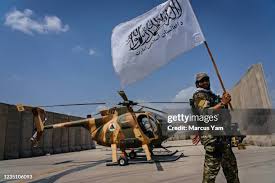
The city of Kabul, the capital of Afghanistan, has remained a focal point of international attention since the Taliban’s return to power in August 2021. The situation in Kabul is crucial for understanding the broader implications of Afghanistan’s ongoing political, social, and humanitarian crises. As the city grapples with the uncertainties of governance and the struggles of its citizens, it has become an emblem of resilience and hardship.
Political Landscape
Since the Taliban’s takeover, the political landscape of Kabul has undergone significant changes. The interim government, primarily consisting of Taliban officials, faces international scrutiny and a lack of recognition. Diplomatic efforts to engage with the Taliban have been complicated, especially regarding human rights issues. In recent months, the Taliban have attempted to present a more moderate front, advocating for engagement with external powers and emphasizing their commitment to restoring stability. However, reports of human rights abuses and the suppression of dissent remain concerning, leading to an atmosphere of fear among many residents.
Social Issues and Humanitarian Concerns
Kabul’s citizens continue to face dire humanitarian challenges. Economic hardship exacerbated by international sanctions and a collapse of funding for social services has left many families struggling to meet basic needs. According to the United Nations, over half of Afghanistan’s population is facing acute food insecurity. NGOs and aid agencies have reported significant difficulties in delivering aid, often hampered by the security environment and bureaucratic barriers imposed by the Taliban regime. Additionally, the rights of women and girls in Kabul remain particularly jeopardized, with many restricted from attending schools and participating in public life.
Recent Events
In recent weeks, various protests have emerged in Kabul, reflecting widespread dissatisfaction with the current regime’s policies. These demonstrations, although risk-laden, showcase a growing hunger for change and societal reform among the Afghan populace. While the Taliban’s response has typically been heavy-handed, the emergence of dissent signifies a potential shift in the societal landscape as citizens seek to reclaim their voices and rights.
Conclusion
The situation in Kabul remains complex and fluid, characterised by a mix of hope and despair. The international community watches closely, weighing responses that could either support reforms or further entrench the Taliban’s power. As Kabul stands at a crossroads, the actions taken in the coming months could significantly influence Afghanistan’s trajectory. For the citizens of Kabul, ongoing support and engagement from global partners may be vital in addressing immediate hardships while advocating for long-term change and recovery.