The Importance of Alzheimer’s Disease Awareness
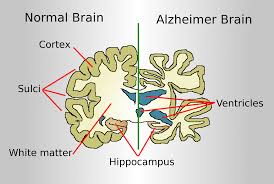
Alzheimer’s disease is one of the most critical health issues facing an aging population globally. As life expectancy increases, the prevalence of Alzheimer’s, a progressive neurodegenerative disorder, rises correspondingly. Currently, over 50 million people worldwide are living with this condition, making awareness, early diagnosis, and research imperative.
Recent Developments in Alzheimer’s Research
Recent studies have made significant strides in understanding the underlying mechanisms of Alzheimer’s disease. Researchers at the University of Oxford have identified new biomarkers that may facilitate earlier diagnosis, potentially enabling treatment before the onset of severe symptoms. Additionally, innovative drug trials, such as Aducanumab, have sparked conversation regarding their efficacy and regulatory approval, with ongoing discussions about the treatment access grounded in individual patient needs.
Symptoms and Stages of Alzheimer’s
The symptoms of Alzheimer’s typically progress through stages, beginning with mild memory lapses and confusion, ultimately leading to a total loss of independence. The disease is chiefly characterised by memory loss, cognitive decline, and behavioural changes. Family members and caregivers often play a crucial role in supporting the individuals afflicted, underscoring the importance of community awareness, education, and support services.
Impact on Families and Society
The impact of Alzheimer’s disease transcends individual health; it profoundly affects families and healthcare systems. In the UK alone, the Alzheimer’s Society has reported that societal costs associated with dementia exceed £26 billion annually. By 2025, the number of people living with dementia in the UK is predicted to rise to 1 million, emphasising the urgent need for robust strategies to address these challenges.
Conclusion: The Path Forward
Addressing Alzheimer’s disease requires a multifaceted approach, incorporating medical research, public policy reforms, and community support. The ongoing investment in research may yield breakthroughs that improve quality of life and treatment outcomes. As society evolves, increased awareness, understanding, and compassion for those affected by Alzheimer’s will be crucial. Together, we can work towards a future where the challenges posed by Alzheimer’s are met with innovation and resilience.