Introduction
Friday the 13th is often regarded as a day of bad luck and superstition, creating an aura of fear and anxiety for many individuals worldwide. The phenomenon has deep cultural roots, intertwining folklore, history, and psychological impacts. As this notorious day approaches each year, it sparks conversations about its origins, significance, and the implications of superstition that continue to influence modern society.
The Origins of the Fear
The superstition surrounding Friday the 13th is believed to be a combination of both the fear of the number 13, known as triskaidekaphobia, and the historical belief that Friday is an unlucky day. The number 13 has been associated with misfortune in various cultures, often linked to biblical references, such as the presence of Judas Iscariot, the 13th disciple who betrayed Jesus. Similarly, Fridays have been considered unlucky for centuries, with some sources suggesting that Jesus was crucified on a Friday.
Historical Context
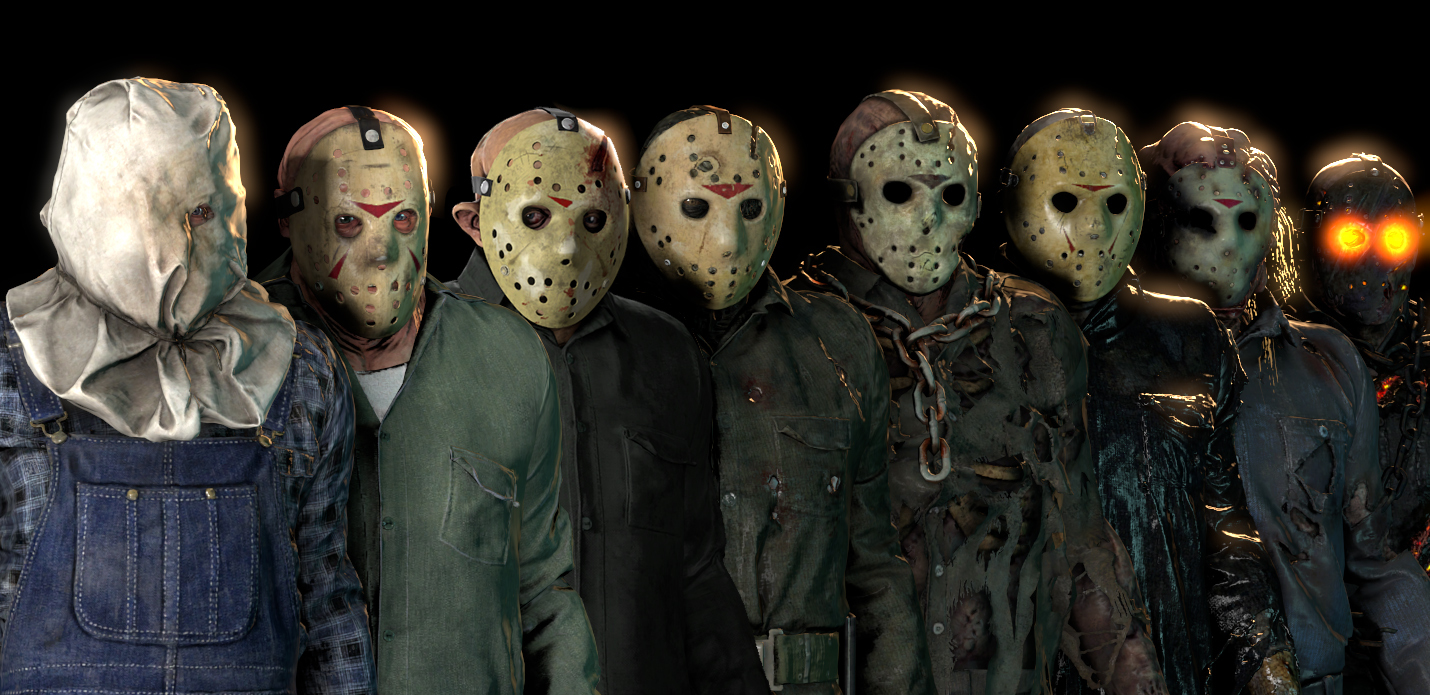
In Western culture, the fear of Friday the 13th gained prominence in the 20th century, notably with the release of the horror film ‘Friday the 13th’ in 1980, which contributed to its association with ominous events. While the day has been viewed with suspicion, various studies have shown a statistical phenomenon where fewer accidents occur on this date, hinting at a psychological impact where belief in the superstition might create a self-fulfilling prophecy.
Modern Perceptions
In contemporary society, the day is often embraced as a source of entertainment rather than fear. Events, promotions, and even themed parties capitalize on the attraction to the date. In some cultures, such as in Italy and Spain, the number 13 is considered lucky, illustrating how perceptions can drastically vary based on cultural context. Furthermore, many businesses use Friday the 13th to attract customers to special deals and events that play on the day’s superstition.
Conclusion
Friday the 13th remains a fascinating intersection of folklore, fear, and culture. While it is often viewed with trepidation, the day also offers moments of light-hearted fun and cultural curiosity. Its continued relevance suggests that superstitions will endure in modern society, reminding us of our shared human experience and the complexities of belief. As we approach the next occurrence of Friday the 13th, individuals and communities may consider not just the fears associated with the date but also the ways in which they can participate in the lighter side of this storied day.