Introduction
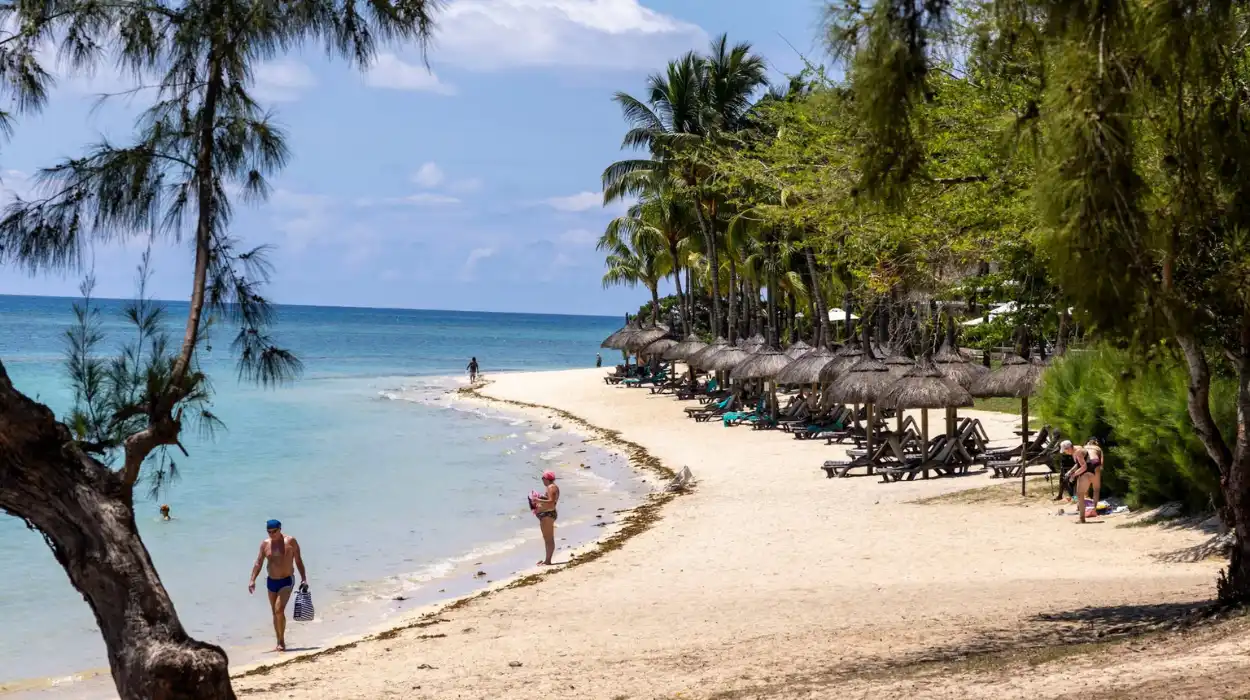
The Chagos Islands, a group of over 60 small islands in the Indian Ocean, have been at the centre of international debates for decades. With a rich history and strategic location, these islands have become crucial for geopolitical studies, particularly between the UK, the US, and Mauritius. The ongoing disputes over sovereignty and the impact on the indigenous population have brought global attention to this isolated archipelago.
Historical Context
The Chagos Islands were part of Mauritius until they were detached in 1965, when the British established the British Indian Ocean Territory (BIOT). The islands gained prominence during the Cold War, which prompted the US to build a military base on Diego Garcia, the largest island of the group. This base has played a significant role in military operations in the Middle East and Africa. The UK’s ownership of the islands has been contentious, particularly following the removal of the indigenous Chagossians, who were forcibly displaced between 1968 and 1973.
Current Developments
In recent years, legal and diplomatic efforts have intensified to address the sovereignty of the Chagos Islands. In 2019, the International Court of Justice (ICJ) issued an advisory opinion deeming the UK’s continued administration of the islands as unlawful and called for the return of the territory to Mauritius. This ruling was a significant development, reaffirming the rights of the Chagossian people and calling attention to historical injustices.
Moreover, in 2021, the Mauritian government announced plans to establish a marine protected area around the islands, seeking to sustainably manage the region’s rich biodiversity while reinforcing sovereignty claims. This proposal has garnered support from various international environmental organisations, highlighting the need for a sensitive approach to the area’s ecological significance.
Conclusion
The situation surrounding the Chagos Islands remains complex and deeply rooted in historical grievances and international politics. As debates over sovereignty continue, the welfare of the displaced Chagossians and the strategic importance of the islands in global military and environmental contexts poses significant questions for future discourse. Policymakers and activists alike must grapple with these issues as they strive for a resolution that respects both the rights of the indigenous population and the geopolitical realities of the region. The Chagos Islands serve as a poignant reminder of the intersection between history, justice, and international relations.