Introduction
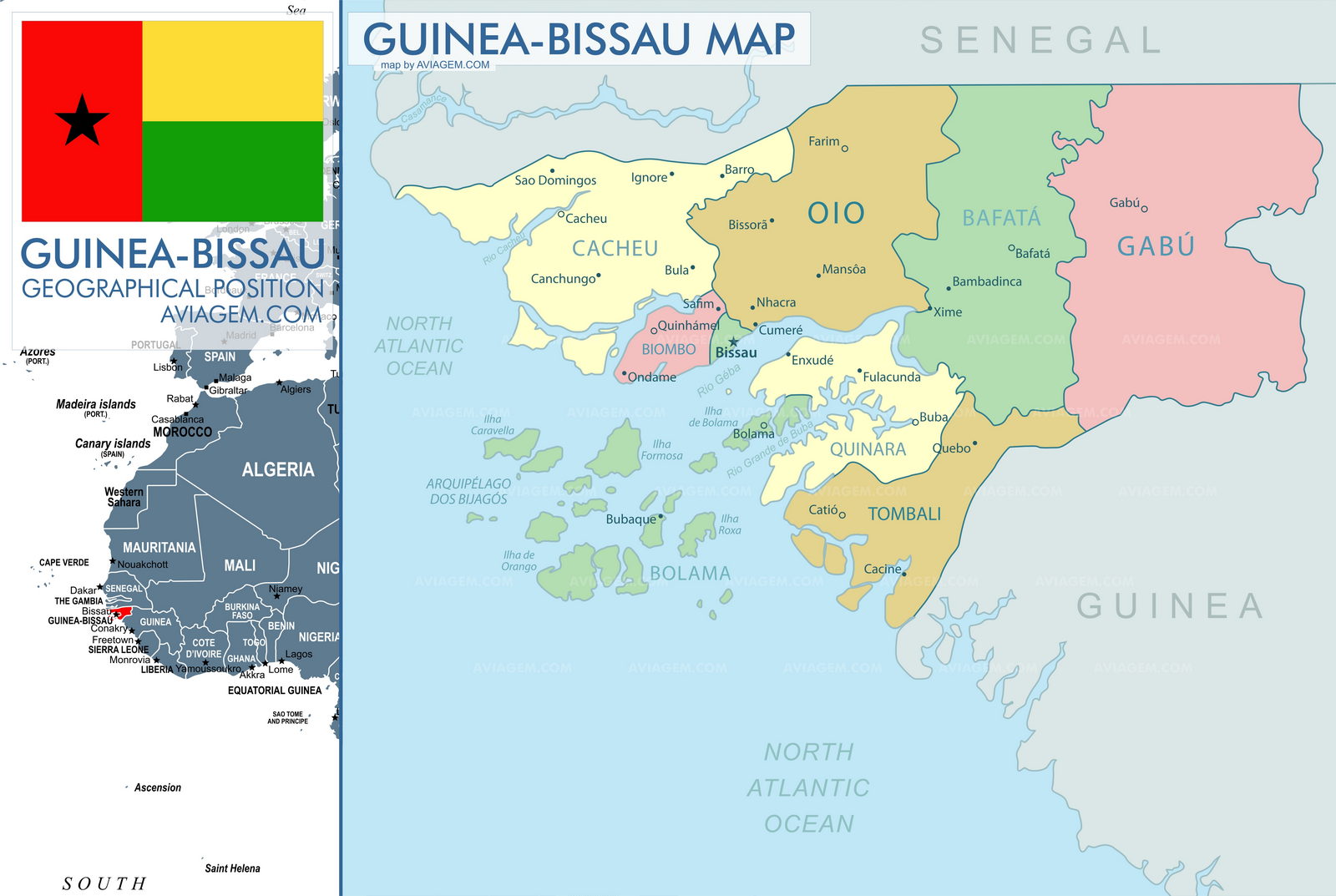
Guinea-Bissau, a small nation in West Africa, has recently gained attention for its evolving political landscape, economic challenges, and rich cultural heritage. This country, known for its diverse ecosystems and historical significance, is becoming increasingly relevant on the global stage. Understanding the current events in Guinea-Bissau is essential for grasping its potential impact within the region and beyond.
Political Landscape
As of late 2023, Guinea-Bissau is navigating a critical phase in its political development. After years of instability and coup attempts, the government has been working towards consolidating democracy. The recent parliamentary elections held in September 2023 aimed to strengthen democratic processes, encouraging greater citizen participation.
Political analysts noted that the elections marked a pivotal moment for Guinea-Bissau, showcasing the resilience of its institutions. While challenges remain, including widespread corruption and governance issues, the election outcomes reflect a societal desire for change and stability.
Economic Challenges and Opportunities
Guinea-Bissau’s economy has historically relied on cashew nut exports, significantly contributing to its GDP. However, with global market fluctuations, the nation faces economic hurdles. The government is actively seeking diversification strategies to bolster economic resilience. Agriculture remains a key focus, with initiatives aimed at improving crop yields and exploring new markets.
International organisations are stepping in to support development projects, which aim to enhance infrastructure and agricultural productivity. These efforts could play a vital role in reducing poverty levels and promoting sustainable growth.
Social Dynamics and Cultural Heritage
The people of Guinea-Bissau are known for their rich cultural diversity, comprising various ethnic groups and languages. The significance of preserving this heritage is recognised, especially amidst modernisation efforts. Festivals and traditional practices continue to be integral to community life and identity.
The country’s unique biodiversity also draws attention, with efforts to establish protected areas that could foster ecotourism, potentially becoming a impactful sector in its economy.
Conclusion
In conclusion, Guinea-Bissau stands at a crossroads characterised by significant political reform and economic opportunity. The ongoing developments present both challenges and pathways for growth, attracting interest from various international stakeholders. For readers interested in West Africa’s evolution, monitoring the progress of Guinea-Bissau can provide valuable insights into the region’s future dynamics. As the country strives for stability and development, its journey will be one to watch closely in the coming years.