Introduction
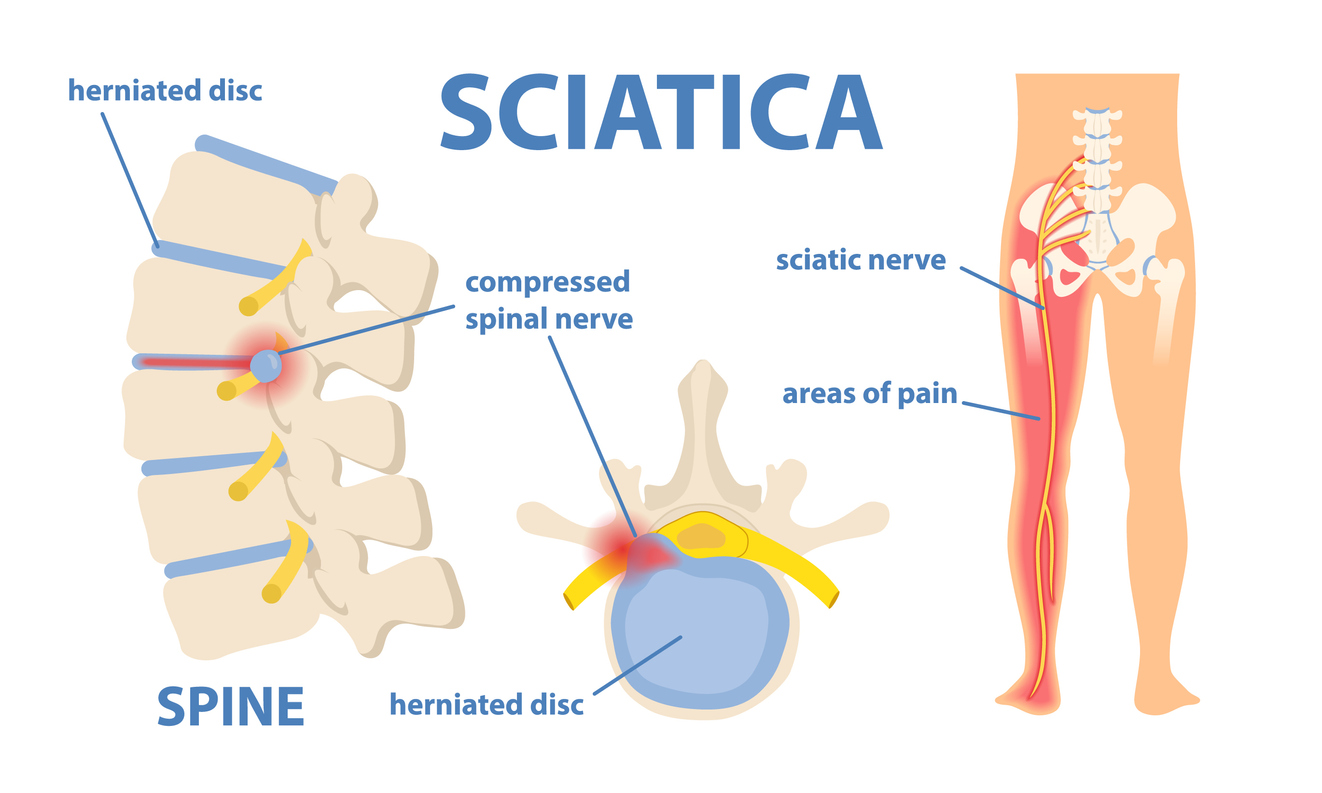
Sciatica is a prevalent condition that causes significant discomfort and affects millions of individuals worldwide. This condition arises when the sciatic nerve, which extends from the lower back through the hips and buttocks down each leg, becomes irritated or compressed. As awareness of sciatica increases, understanding its implications, causes, symptoms, and treatment options becomes vital for those affected or at risk.
What Causes Sciatica?
The most common causes of sciatica include a herniated disc, spinal stenosis, and degenerative disc disease. These issues can result in pressure on the sciatic nerve, leading to pain that often radiates from the lower back to the legs. Lifestyle factors such as obesity, prolonged sitting, and inadequate physical activity can exacerbate these conditions.
Symptoms of Sciatica
Symptoms can vary widely but generally manifest as sharp pain, tingling, or numbness that extends down one side of the body. Many people describe it as a jolt of electric shock or a burning sensation down the leg. While sciatica usually affects only one side, some individuals may experience symptoms on both sides of the body. In severe cases, sciatica may also lead to complications such as loss of bladder or bowel control.
Treatment Options Available
Treatment for sciatica often begins with conservative measures such as physical therapy, hot and cold compresses, or over-the-counter pain relievers including ibuprofen or acetaminophen. In some cases, corticosteroid injections may help to reduce inflammation around the nerve. For severe or persistent cases, surgical intervention may be necessary to relieve the pressure on the sciatic nerve.
Conclusion
For those experiencing symptoms of sciatica, early diagnosis and treatment can offer significant relief and improve quality of life. As our understanding of this condition evolves, new therapies and modalities continue to emerge, making it crucial for individuals to stay informed about the latest developments in treatment. Understanding sciatica not only aids in effective management but also encourages proactive lifestyle changes that can alleviate risk factors associated with this painful condition.