Introduction
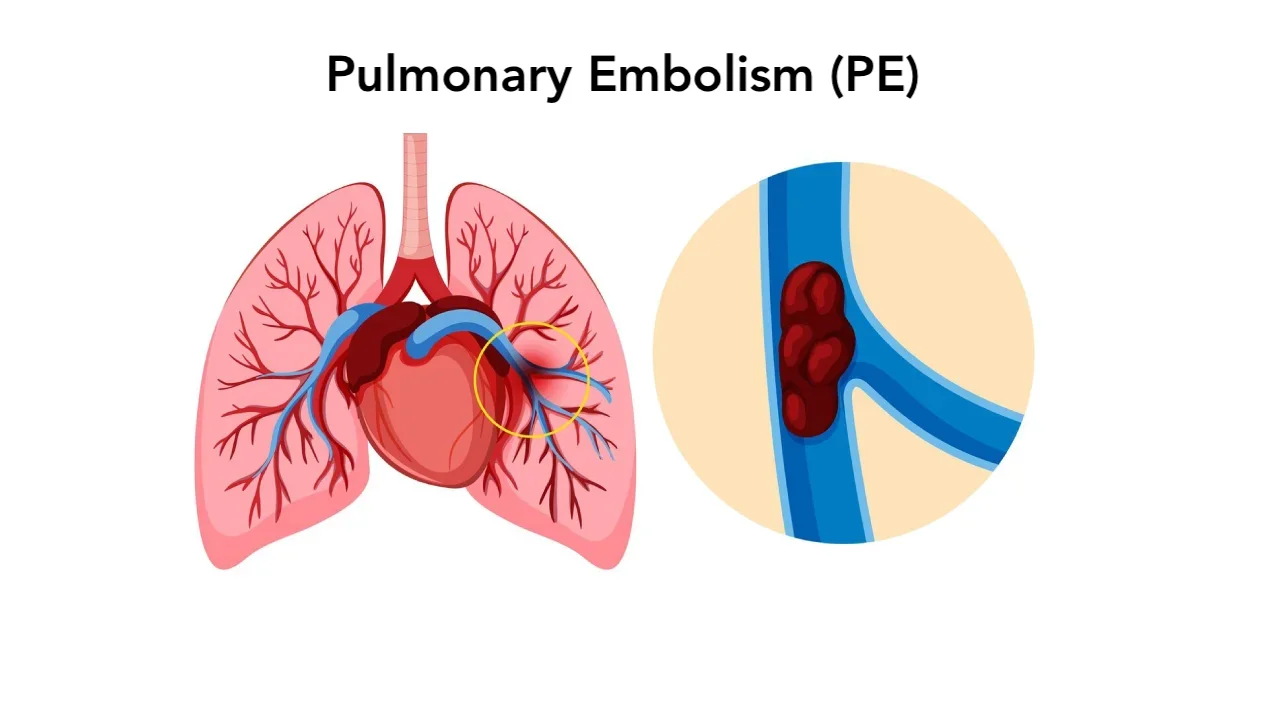
Pulmonary embolism (PE) is a serious condition that occurs when a blood clot blocks a pulmonary artery in the lungs. It can lead to severe environmental damage, and in some cases, be life-threatening. Its recognition is crucial, as rapid diagnosis and treatment can significantly enhance the prognosis for affected individuals. Understanding the risks and symptoms associated with pulmonary embolism is vital for both patients and healthcare professionals.
What Causes Pulmonary Embolism?
The majority of pulmonary embolisms arise from deep vein thrombosis (DVT), where blood clots form in the deep veins of the legs. Risk factors include prolonged immobility—such as long flights or lengthy hospital stays—medical conditions like cancer, heart disease, and obesity, as well as certain medications, particularly those that affect coagulation. Understanding these factors is key to prevention.
Signs and Symptoms
The symptoms of pulmonary embolism can vary significantly, and some patients may not present any symptoms at all. Common signs include sudden shortness of breath, chest pain that may worsen with deep breaths or coughing, rapid heart rate, lightheadedness, or even coughing up blood. In severe cases, it may lead to shock or respiratory failure. These symptoms highlight the importance of seeking immediate medical attention if PE is suspected.
Diagnosis and Treatment
Diagnosis of pulmonary embolism typically involves imaging tests such as a CT pulmonary angiography, which allows physicians to visualise the clots blocking the arteries. Blood tests, including a D-dimer test, can also help assess the likelihood of clot presence. Treatment options include anticoagulants to prevent further clotting and, in severe cases, thrombolytics to dissolve clots, or surgical interventions when necessary. The timely administration of appropriate treatments can substantially improve patient outcomes.
Conclusion
Pulmonary embolism is a critical healthcare issue that underscores the importance of awareness and prevention. With a growing emphasis on early detection and education about risk factors—especially within high-risk populations—healthcare providers can help mitigate the impact of this potentially devastating condition. Individuals should be proactive in recognising symptoms and seeking medical care promptly to improve outcomes should a pulmonary embolism occur. As research continues, innovative treatments may also emerge, further enhancing recovery prospects for those afflicted.