Introduction: The Importance of Pension Age Changes
The topic of pension age changes in the United Kingdom is of paramount significance for millions of workers approaching retirement. With life expectancy increasing and economic factors in flux, these adjustments not only affect the timing of retirement but also the financial security of future retirees. Recent debates and reforms surrounding the pension age highlight the need for transparency and alignment with contemporary workforce dynamics.
The Recent Changes
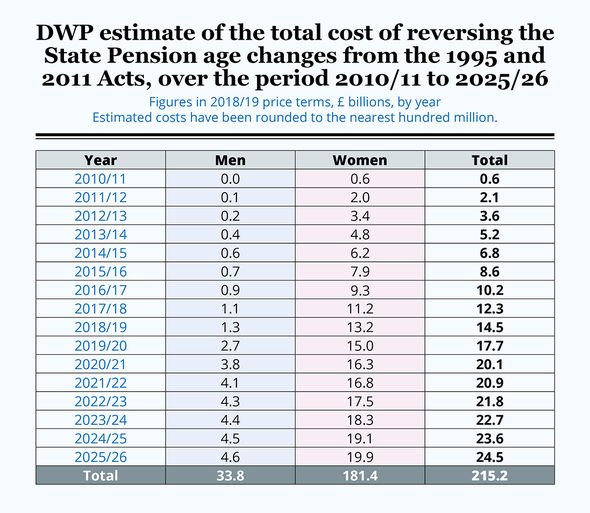
As of 2023, the UK government has confirmed plans to raise the state pension age incrementally. Currently, individuals born after 6 April 1970 will see their state pension age rise to 68 between the years 2037 and 2039. This change follows a recommendation from the government’s Independent Review of State Pension Age, which is aimed at addressing the growing financial strain on the pension system exacerbated by an ageing population.
Context and Rationale
Over the past decades, the UK government has progressively increased the retirement age. Originally set to rise to 66 for both men and women by 2020, further adjustments were deemed necessary as mortality rates improved and spend on pensions has surged. The reforms are intended to ensure that the pension system remains sustainable in the long term. Chancellor of the Exchequer Jeremy Hunt stated, “These changes are crucial to protect the sustainability of our welfare state for future generations.” Furthermore, with the UK’s average life expectancy increasing, the working-age population has been placing a heavier burden on the pension system, necessitating these reforms.
Impact on Future Retirees
The effect of these changes has stirred considerable public debate. On one hand, critics argue that raising the pension age disproportionately affects those in physically demanding occupations who may not be able to work until the new retirement age. On the other hand, advocates stress the necessity of these measures given the increasing average lifespan and the need to bolster public finances. The government has also stated that workers will have more time to participate in saving for their retirement through personal pensions or employer-sponsored plans.
Conclusion: Looking Ahead
The implications of changes to the UK pension age are profound for the current and future workforce. As individuals approach retirement, it is essential for them to assess their financial strategies, factored with the adjusted lead times for state pensions. In addition, ongoing discussions regarding further increments to the pension age are anticipated, prompting individuals to stay informed about government policies. The conversation surrounding the pension system will undoubtedly continue, as stakeholders seek a balance between equitable retirement for citizens and maintaining the financial integrity of the pension funds.