Introduction
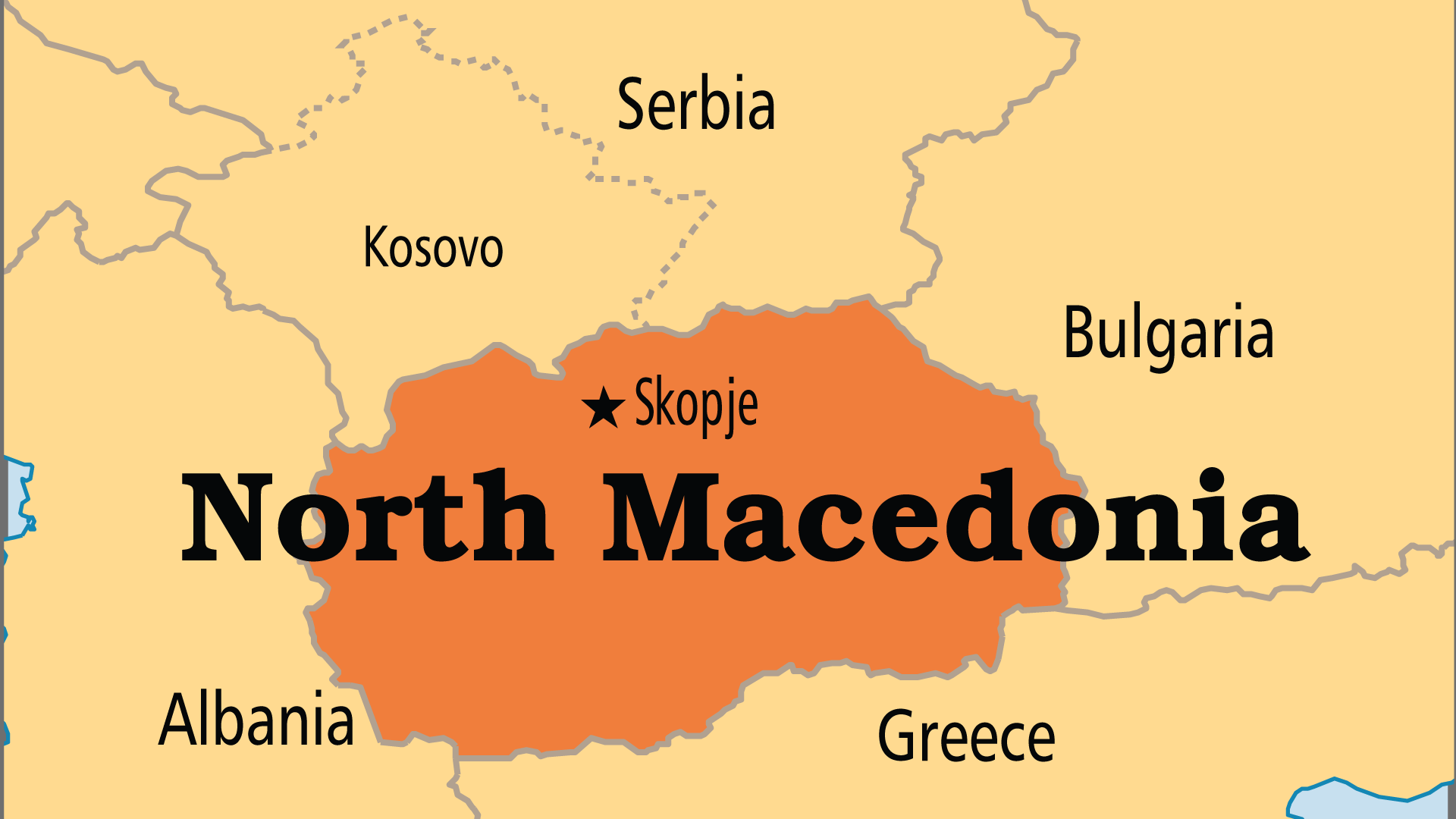
North Macedonia, a landlocked country in Southeast Europe, has been at the crossroads of history and culture. Its strategic location in the Balkans makes it an important player in European geopolitics, especially given its aspirations for European Union (EU) membership. As the country continues to navigate its complex post-Yugoslav identity, understanding its current events is crucial to grasping the region’s future.
Recent Developments
In recent months, North Macedonia has seen a surge in diplomatic efforts to strengthen its ties with the EU. In 2023, the country was granted a roadmap to advance its membership negotiations, a move welcomed by both the government and citizens eager for integration into Europe. However, these efforts have been hindered by historical disputes with neighbouring Bulgaria regarding language and identity, leading to ongoing tensions.
In addition to its diplomatic initiatives, North Macedonia has made strides in economic reform. The government implemented policies aimed at attracting foreign investment, with a focus on the technology and manufacturing sectors. According to the World Bank, foreign direct investment increased by 15% in the last year, indicating positive economic momentum despite the global challenges posed by the pandemic and rising inflation.
Societal Changes
On the social front, North Macedonia has made significant progress in gender equality and minority rights. Recent legislative changes have aimed to improve the representation of women in political positions and ensure protection for ethnic minorities. An annual report by the European Commission highlighted these advancements, noting that while challenges remain, the legislative framework is becoming increasingly robust.
Conclusion
The path forward for North Macedonia is characterized by both opportunities and challenges. As the country works towards EU integration, it must continue to address domestic issues, such as political stability and social cohesion. The ongoing dialogue with Bulgaria will also be critical in shaping its regional relationships. For readers, understanding North Macedonia’s trajectory not only highlights the dynamics of the Balkans but also exemplifies the broader struggles of nations seeking identity and acceptance in the evolving European landscape. Continued interest and support from the international community will be essential for North Macedonia to realise its aspirations and foster a more stable and prosperous future.