Introduction
The political landscape of Israel has been significantly shaped by Benjamin Netanyahu, the longest-serving Prime Minister in the country’s history. His period in office has not only transformed Israeli domestic policies but has also had profound effects on international relations in the Middle East. With a new government in place and changing dynamics in the region, understanding Netanyahu’s influence is essential for grasping current and future political scenarios in Israel.
Recent Developments
In recent months, Netanyahu has returned to power as head of a coalition government formed in December 2022. This coalition, which includes several right-wing parties, has raised concerns domestically and among international observers regarding its approach to key issues such as the Israeli-Palestinian conflict, judicial reforms, and social policies. A significant portion of Netanyahu’s agenda includes a tightening of policies that critics argue could undermine democratic institutions while supporters claim it prioritises national security.
One of the most contentious aspects of his return has been his proposed reforms to Israel’s judicial system, aiming to increase the power of the Knesset (Israeli parliament) over judicial decisions. This move has sparked widespread protests across Israel, with opponents arguing that it threatens the independence of the judiciary. Netanyahu’s government claims that the reforms are necessary to restore balance between the legislative and judicial branches.
International Relations
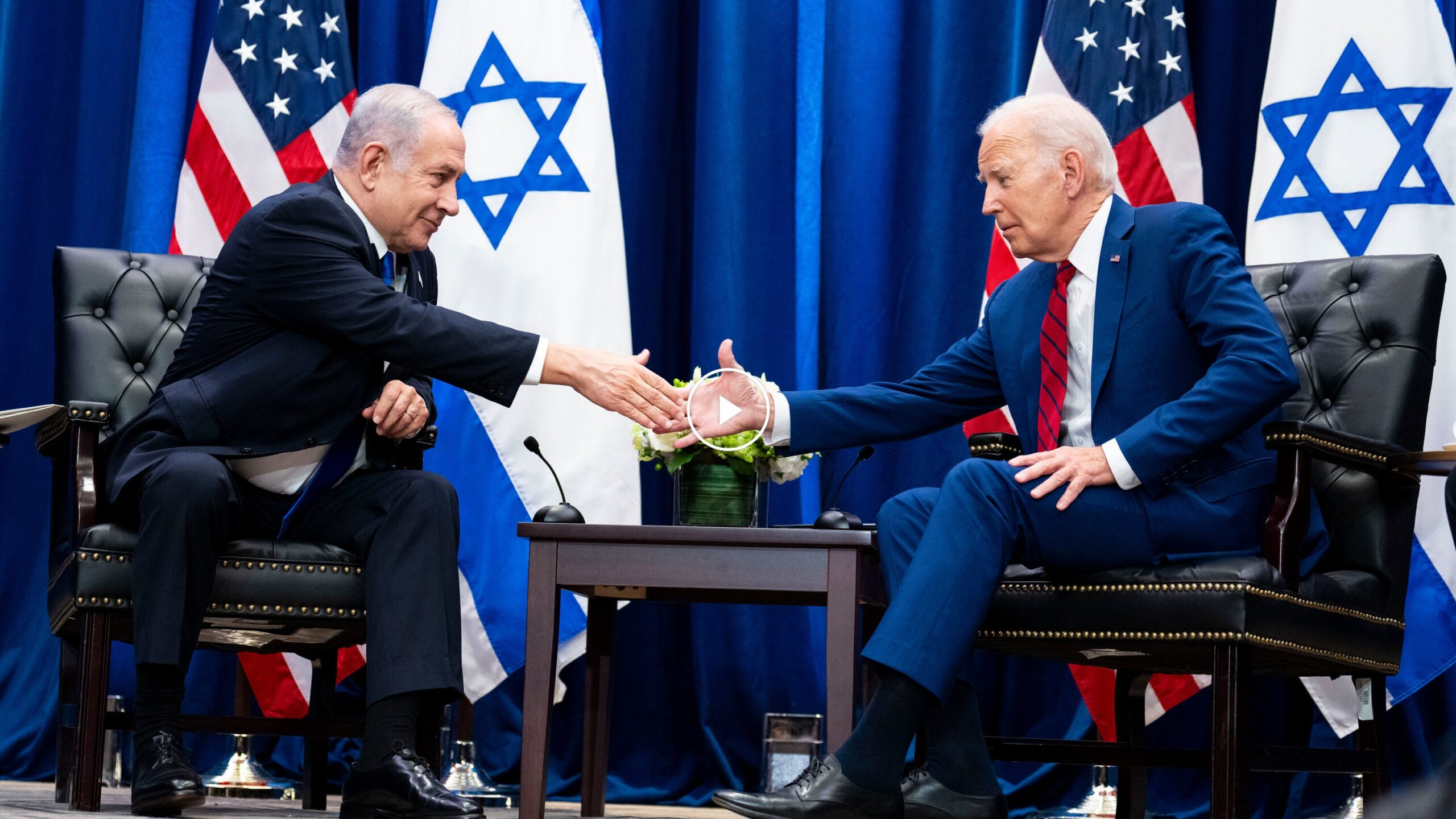
On the international front, Netanyahu continues to advocate for strong relations with the United States while fostering new alliances in the Arab world, notably through the Abraham Accords established in 2020. However, tensions with the Palestinian Authority remain high, exacerbated by ongoing settlement expansion and military operations in Palestinian territories. His administration has also been challenged by the rise of Iran, leading to a significant focus on security issues which continue to dominate Israeli politics.
Conclusion
Benjamin Netanyahu’s political career has been marked by significant achievements and controversies that reflect the complexities of Israeli society and governance. As he navigates through challenges both at home and abroad, the implications of his policies resonate not only within Israel but also on a global scale. Looking forward, analysts suggest that how Netanyahu manages the current internal dissent, as well as Israel’s external relations, will play a critical role in shaping the country’s future trajectory in the coming years.